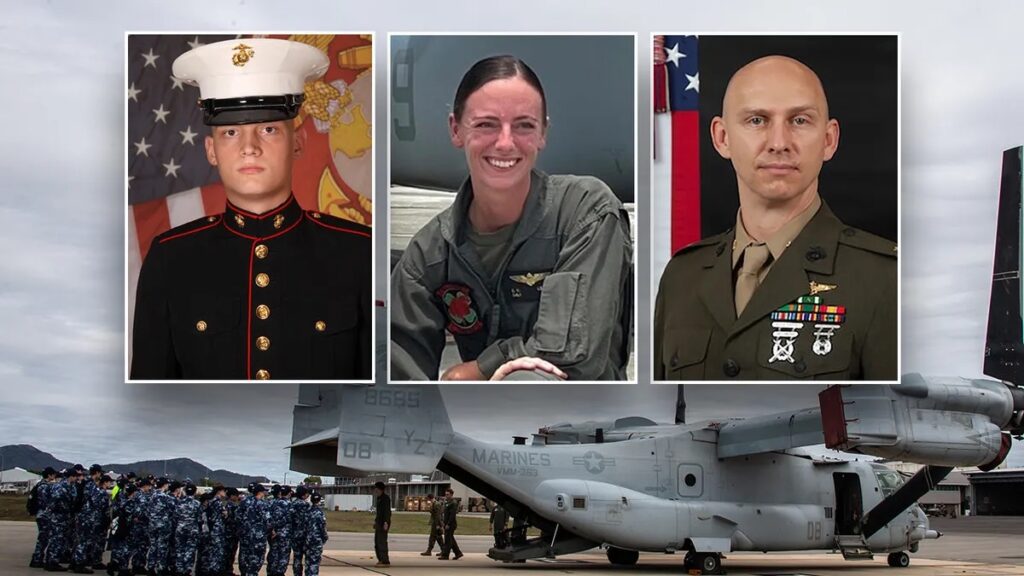
The aviation community was shaken once again this week after a tragic crash involving a U.S. military V-22 Osprey aircraft claimed the lives of three service members. The incident, which occurred during what officials describe as a “routine training mission,” has reignited long-standing concerns about the safety and mechanical reliability of the tilt-rotor aircraft, known for its ability to take off like a helicopter and fly like a fixed-wing plane.
According to early reports, the Osprey went down shortly after takeoff from a remote training site. Weather conditions at the time were described as mild, with calm winds and clear skies, ruling out environmental factors as a likely cause in the preliminary stages of the investigation. Eyewitnesses, including personnel stationed near the flight area, reported hearing an unusual mechanical sound moments before the aircraft lost altitude and impacted the ground.
Emergency response teams arrived quickly, but the aircraft was already engulfed in flames. Despite rapid efforts, three crew members were pronounced dead at the scene. Their names were initially withheld pending notification of family members. The military has since confirmed that all three were experienced personnel who had logged numerous hours operating the V-22 Osprey.
Brigadier General Thomas Ryle, speaking at a brief press update, expressed deep sorrow at the loss of the crew, calling them “dedicated service members who gave their lives in the line of duty.” He emphasized that a full investigation was underway and that every effort would be made to determine what went wrong. “Our priority is supporting the families of the fallen and ensuring a thorough, transparent review of this incident,” he said.
As investigators begin their work, attention inevitably turns to the Osprey’s complex history. Since its introduction, the aircraft has been praised for its unique capabilities—combining vertical takeoff with long-range flight—yet criticized for a string of accidents over the decades. From early development crashes to more recent operational incidents, the Osprey has been at the center of ongoing scrutiny from safety analysts, lawmakers, and military personnel alike.
Experts note that the V-22’s hybrid design poses engineering challenges not found in conventional aircraft. Its tilt-rotor system allows it to hover like a helicopter but also achieve the speed and range of a traditional airplane. However, this versatility comes with mechanical complexity. Problems with the rotor system, engine transitions, and hydraulic systems have contributed to several high-profile crashes in the past.
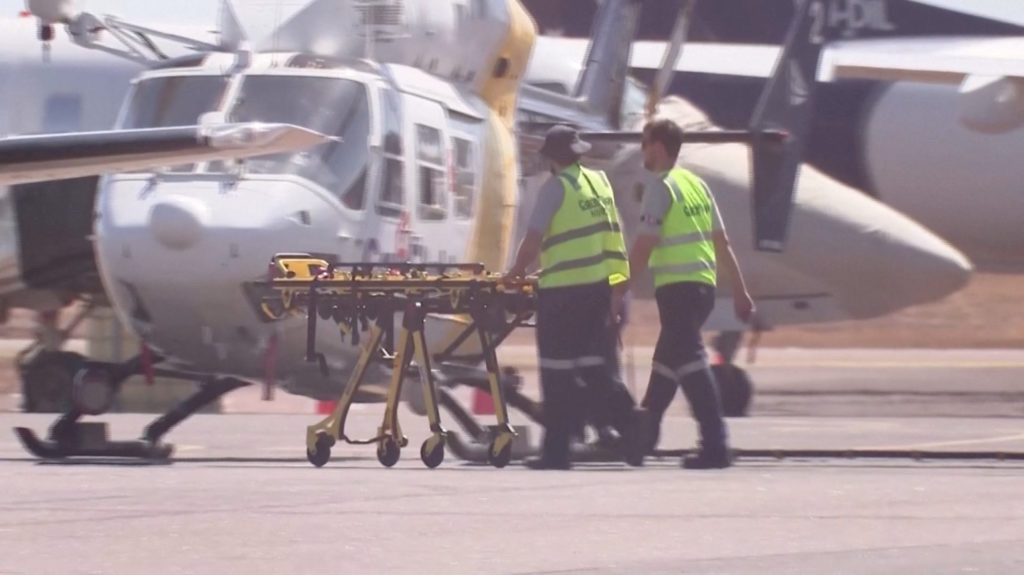
In this latest incident, investigators will likely examine multiple potential factors: mechanical failure, software issues, crew fatigue, maintenance lapses, or unforeseen structural problems. While the military maintains strict inspection and maintenance protocols for the Osprey fleet, the aircraft’s high operational tempo and demanding mission profile introduce risks that are constantly monitored.
Several former pilots who have flown the Osprey shared their insights following the crash. Many expressed confidence in the aircraft’s capabilities but acknowledged that it requires exceptional precision and training to operate safely. One retired Marine Corps aviator remarked that the Osprey “can do things no other aircraft can do, but it also demands respect. There’s very little room for error when something goes wrong.”
Family members of service members who regularly fly the Osprey voiced mixed emotions—pride in their loved ones, yet deep concern about the aircraft’s reputation. Over the years, advocacy groups formed by families of previous crash victims have pushed for ongoing reviews of Osprey safety protocols. For them, each new incident brings back painful memories and a renewed call for answers.
In Congress, lawmakers have periodically requested updates on the Osprey program, especially following fatal accidents. Some critics have questioned whether the aircraft’s benefits outweigh its risks, while supporters argue that it remains essential to modern military operations, particularly in missions requiring rapid deployment and vertical maneuverability.
The Department of Defense maintains that despite past incidents, the Osprey has performed effectively across various missions, including humanitarian operations, troop transport, and special operations deployments. Officials stress that every aircraft—especially one with a unique design—faces technical challenges, and each flight-related event contributes to improved safety protocols.
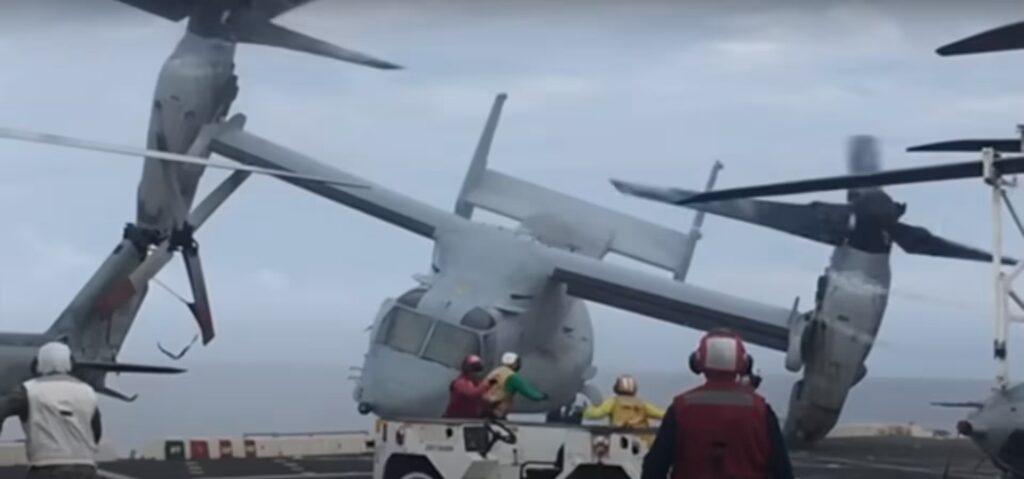
In the immediate aftermath of the crash, the affected squadron grounded its remaining Osprey aircraft pending preliminary findings. This is a standard precautionary measure meant to ensure that no systemic issues pose an ongoing danger to other crews. Military aviation investigators, engineers, and safety specialists will analyze flight data, maintenance logs, and wreckage components to identify the root cause.
Meanwhile, memorial preparations are underway for the fallen service members. Across bases and units, flags have been lowered to half-staff. Colleagues described the victims as highly skilled, hardworking, and deeply committed to serving their country. Several had families, leaving loved ones grappling with immeasurable loss.
Public reaction has reflected both sorrow and frustration. On social media, tributes to the fallen have poured in, with many users expressing condolences while others raised questions about the Osprey’s track record. Aviation analysts appearing on news networks echoed the need for patience during the investigation, emphasizing that assumptions should not be made until all evidence is examined.
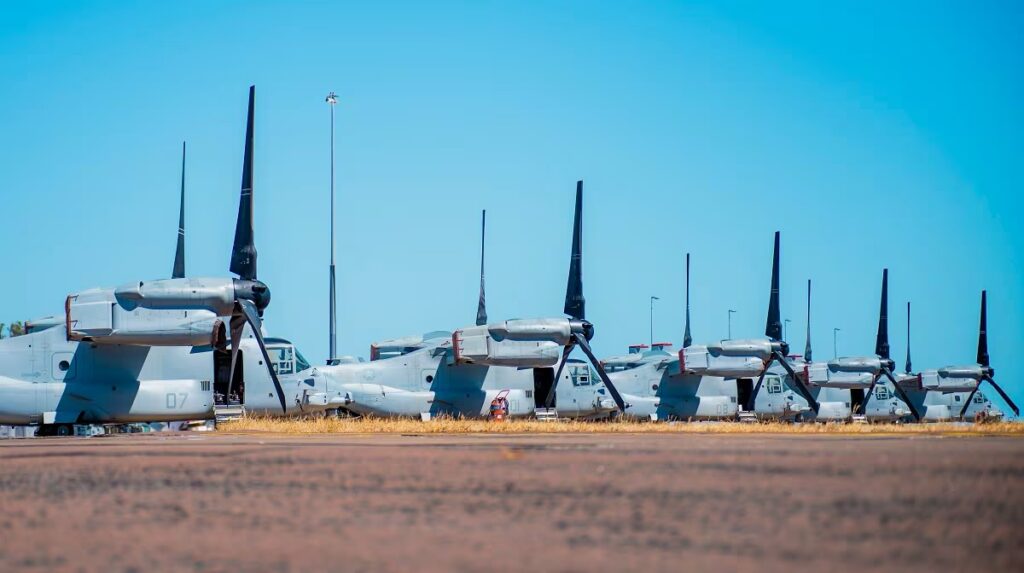
This tragedy also prompts a broader conversation about the future of tilt-rotor aircraft. While the Osprey pioneered the platform, new generations of tilt-rotor designs are already being developed, such as the V-280 Valor. Lessons learned from Osprey operations—both successes and failures—will play a critical role in shaping the future of military aviation.
As the investigation continues, the loss of the three crew members stands as a somber reminder of the risks inherent in aviation and military service. The incident underscores the importance of rigorous safety measures, ongoing engineering improvements, and clear communication with the public and families affected by such tragedies.
For now, the military community mourns the loss of the service members whose dedication and sacrifice will not be forgotten. Their commitment to duty, even in the face of uncertainty and risk, reflects the courage at the heart of aviation service. In the coming weeks and months, answers will emerge, but the human cost will remain immeasurable—felt by families, teammates, and a nation that honors their service.