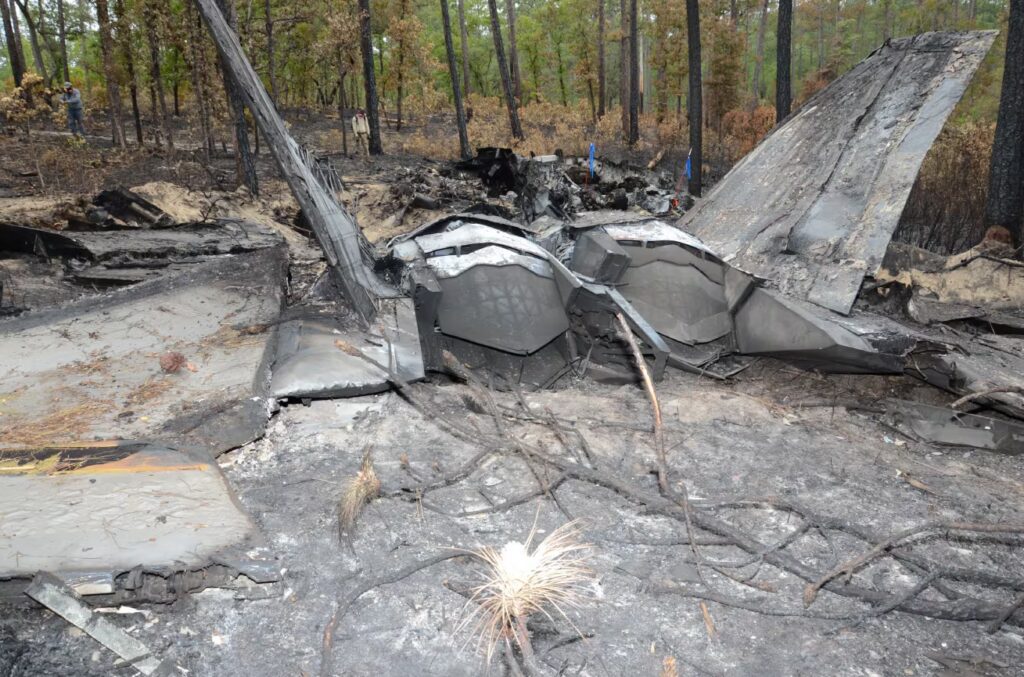
The discovery of the wreckage of an F-22 Raptor fighter jet after it crashed in Florida sent shockwaves through the military aviation community and the general public alike. As one of the most advanced and expensive fighter aircraft in the world, the F-22 Raptor represents the pinnacle of U.S. air superiority. Any accident involving this stealth jet immediately raises questions about safety, technology, and the future of elite combat aircraft.
The crash reportedly occurred during a routine training mission, a common activity for F-22 pilots who regularly practice complex maneuvers to maintain combat readiness. Witnesses in the area described hearing a loud roar followed by an unusual engine sound before seeing smoke rising from the crash site. Emergency responders quickly secured the area, while military officials confirmed that the aircraft went down in a remote location to minimize risk to civilians on the ground.
Images of the wreckage showed twisted metal, scorched debris, and fragments of the jet scattered across the crash zone. Despite the devastation, the pilot was able to eject safely, highlighting the effectiveness of modern ejection seat systems designed to save lives even in extreme situations. The pilot was later reported to be in stable condition, a small relief amid the loss of such a valuable aircraft.
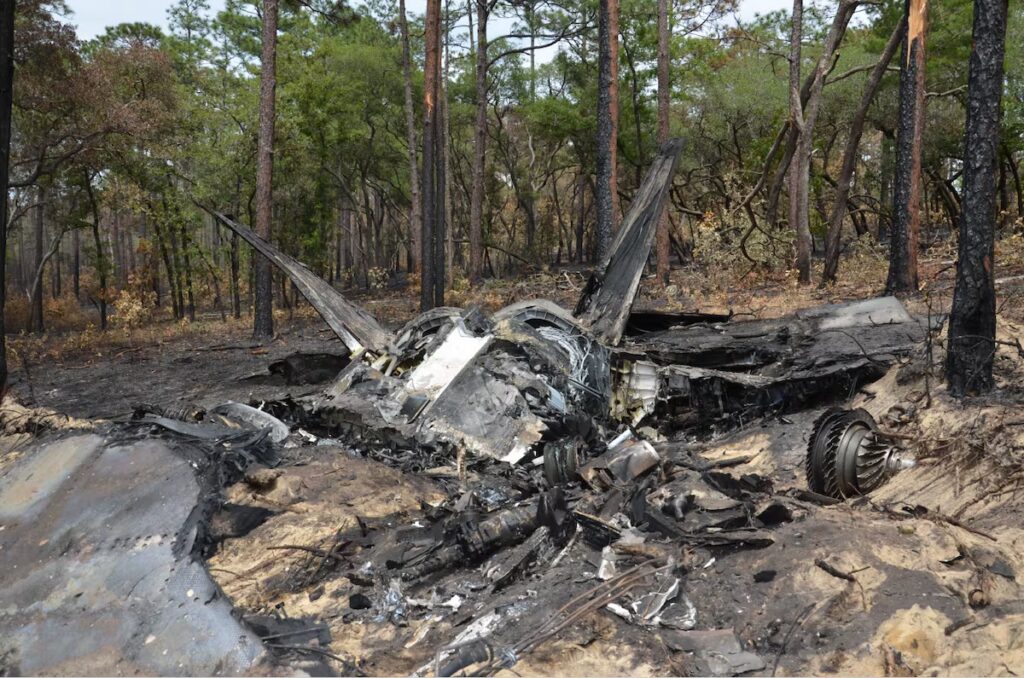
The F-22 Raptor is known for its stealth capabilities, supercruise speed, and unmatched agility. Designed primarily for air dominance, it combines advanced avionics, radar-evading materials, and powerful engines that allow it to outperform nearly all adversaries. Each aircraft costs well over $150 million, making any crash not only a safety concern but also a significant financial loss for the U.S. Air Force.
Following the crash, investigators from the Air Force and aviation safety agencies began a detailed examination of the wreckage. Every component, from the engines to the flight control systems, will be analyzed to determine the cause of the accident. Past F-22 incidents have been linked to issues such as mechanical failure, software problems, or maintenance-related challenges, though officials caution against speculation until the investigation is complete.
The crash also renewed public discussion about the challenges of operating aging but highly complex military aircraft. While the F-22 remains a formidable platform, its limited production run and specialized components make maintenance increasingly demanding. Engineers and technicians must work meticulously to keep the fleet mission-ready, often dealing with parts that are no longer in production.
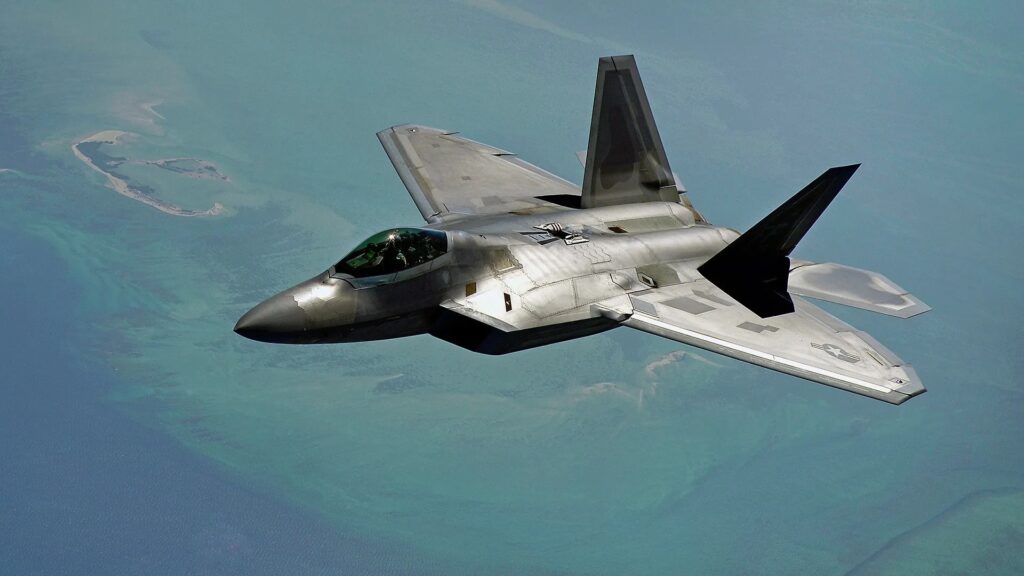
Despite this incident, military leaders emphasized that the F-22 Raptor continues to play a critical role in U.S. national defense. Training flights are essential to ensure pilots are prepared for real-world scenarios, and occasional accidents, while tragic, are an unfortunate reality of high-performance aviation. Lessons learned from this crash will likely lead to improved safety procedures and technical upgrades.
As the wreckage is cleared and the investigation moves forward, the focus remains on understanding what went wrong and preventing similar incidents in the future. The Florida F-22 crash serves as a reminder of both the incredible capabilities and inherent risks associated with pushing the boundaries of modern aviation technology.