Modern fighter aircraft reflect not only military capability but also a nation’s technological ambition, strategic partnerships, and defense priorities. Across Asia, several countries have invested heavily in developing or acquiring multirole combat aircraft that can defend airspace, project power, and keep pace with evolving threats. This article explores five notable fighter aircraft from different countries: Azarakhsh (Iran), JF-17 Thunder (Pakistan), Tejas (India), J-10 (China), and Su-30 (Russia). Each aircraft represents a different path toward air power—ranging from indigenous development to international collaboration.
Azarakhsh (Iran)
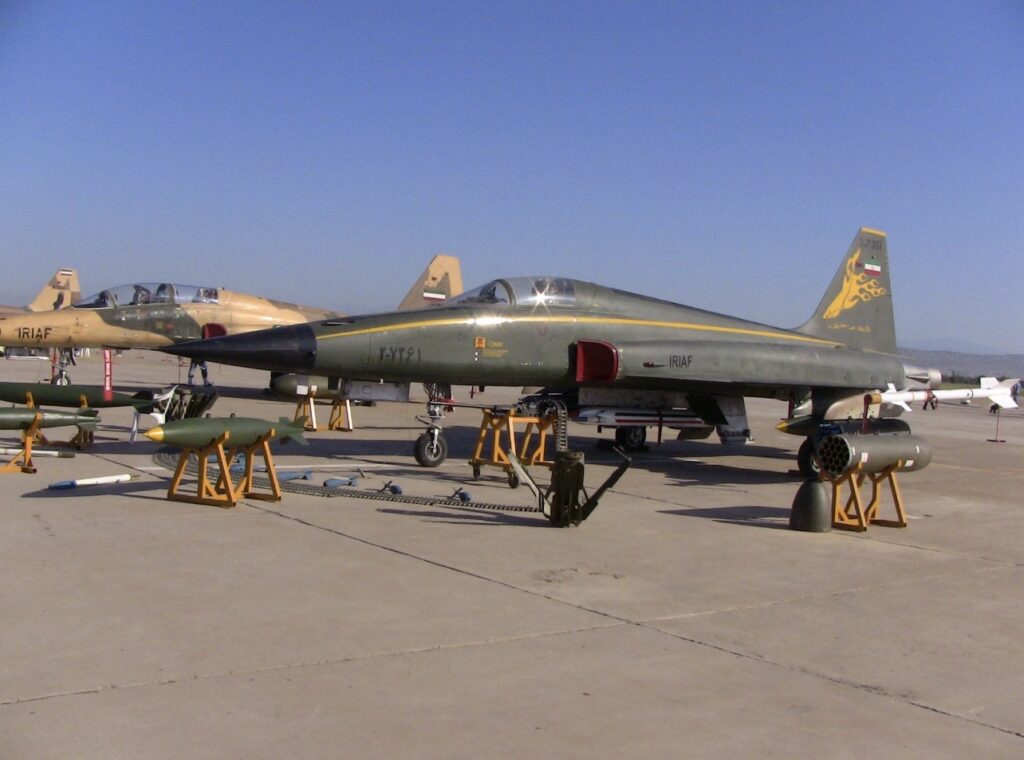
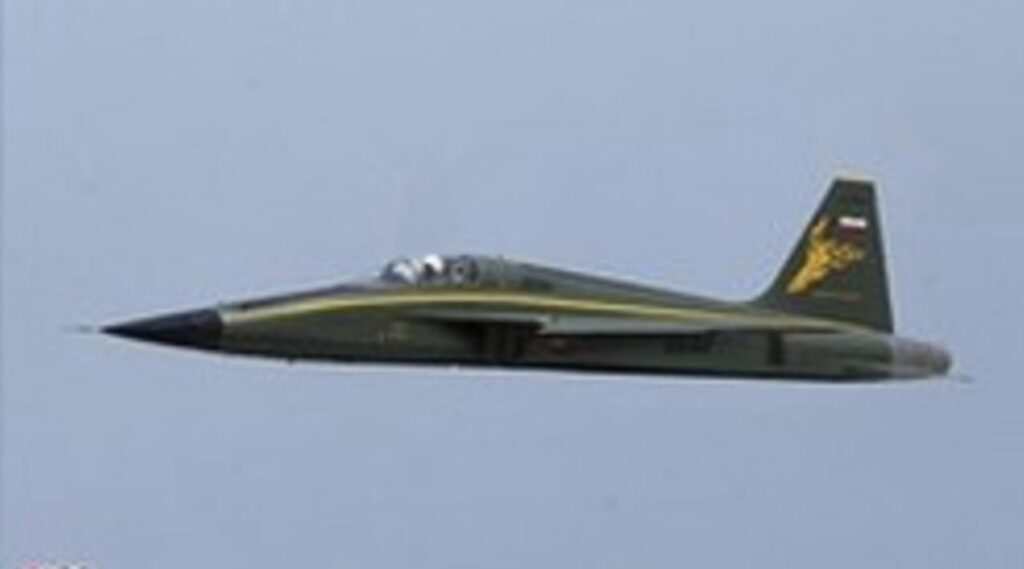
The Azarakhsh, meaning “Lightning” in Persian, is one of Iran’s earliest attempts at producing a domestically built fighter aircraft. Developed in the late 1990s and early 2000s, the Azarakhsh was heavily influenced by the American F-5 Freedom Fighter, aircraft that Iran had acquired before the 1979 revolution. Due to long-standing international sanctions, Iran was forced to rely on reverse engineering, upgrades, and local manufacturing to sustain its air force.
Structurally and visually, the Azarakhsh resembles the F-5, though Iranian engineers claimed improvements in avionics, radar, and weapon systems. It was designed primarily for air defense and training, rather than cutting-edge air superiority missions. While its performance is modest by modern standards, the Azarakhsh holds symbolic importance for Iran as a demonstration of self-reliance in aerospace engineering.
Despite limited production numbers and debated combat capability, the Azarakhsh laid the groundwork for later Iranian aircraft projects, such as the Saeqeh and Kowsar. For Iran, the aircraft represents resilience under constraint and a determination to maintain an independent defense industry.
JF-17 Thunder (Pakistan)
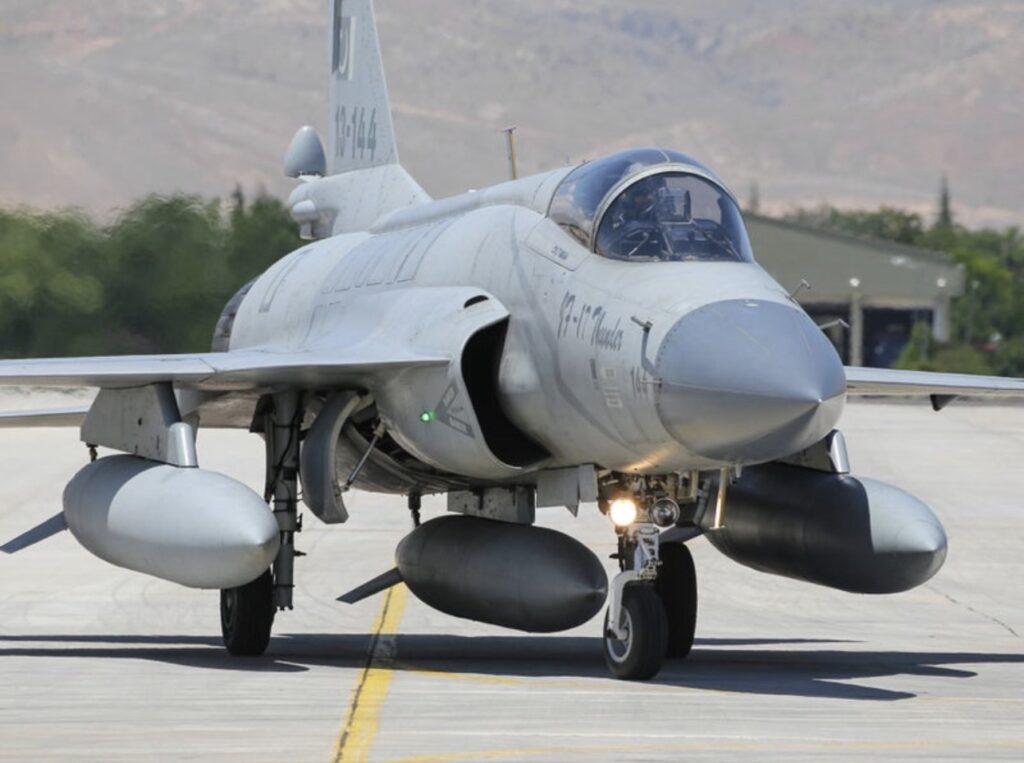
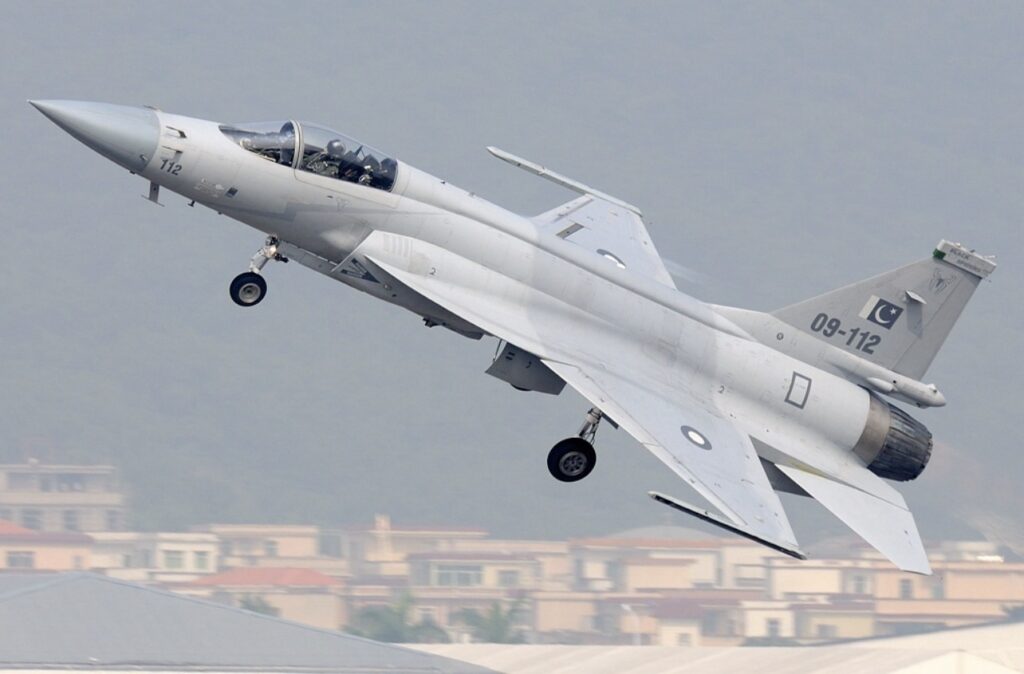
The JF-17 Thunder, also known as FC-1 Xiaolong, is a lightweight, single-engine multirole fighter jointly developed by Pakistan and China. Introduced into the Pakistan Air Force (PAF) in the mid-2000s, the JF-17 was designed to replace aging fleets of Mirage III/V and F-7 aircraft.
One of the JF-17’s greatest strengths is its cost-effectiveness. It offers modern avionics, beyond-visual-range combat capability, and compatibility with a wide range of weapons, all at a fraction of the cost of Western fighters. Over time, the aircraft has evolved through multiple variants, with Block III featuring advanced radar, improved electronic warfare systems, and enhanced cockpit displays.
The JF-17 has also found success on the export market, serving with air forces in countries such as Myanmar and Nigeria. For Pakistan, the aircraft is more than a combat platform—it is a cornerstone of national aerospace development and a symbol of strategic cooperation with China.
Tejas (India)

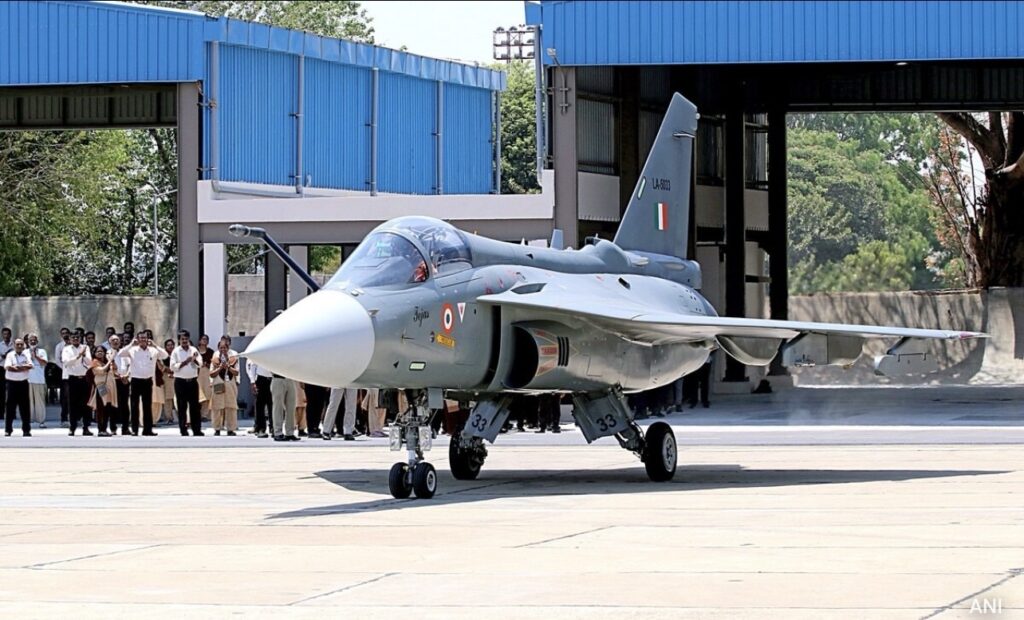
India’s Tejas Light Combat Aircraft (LCA) represents one of the country’s most ambitious indigenous defense projects. Conceived in the 1980s and entering operational service decades later, Tejas was developed to replace the aging MiG-21 fleet of the Indian Air Force (IAF).
Tejas is a delta-wing, fly-by-wire fighter, making it one of the most technologically advanced aircraft designed in India. It emphasizes agility, reduced radar signature, and modern avionics. While early development faced delays and criticism, recent variants such as Tejas Mk1A have incorporated improved radar, electronic warfare systems, and maintainability enhancements.
Though classified as a light fighter, Tejas plays a crucial role in India’s strategy of defense self-sufficiency, often referred to as “Make in India.” The aircraft continues to evolve, with future versions like the Tejas Mk2 expected to deliver greater range, payload, and performance.
Chengdu J-10 (China)
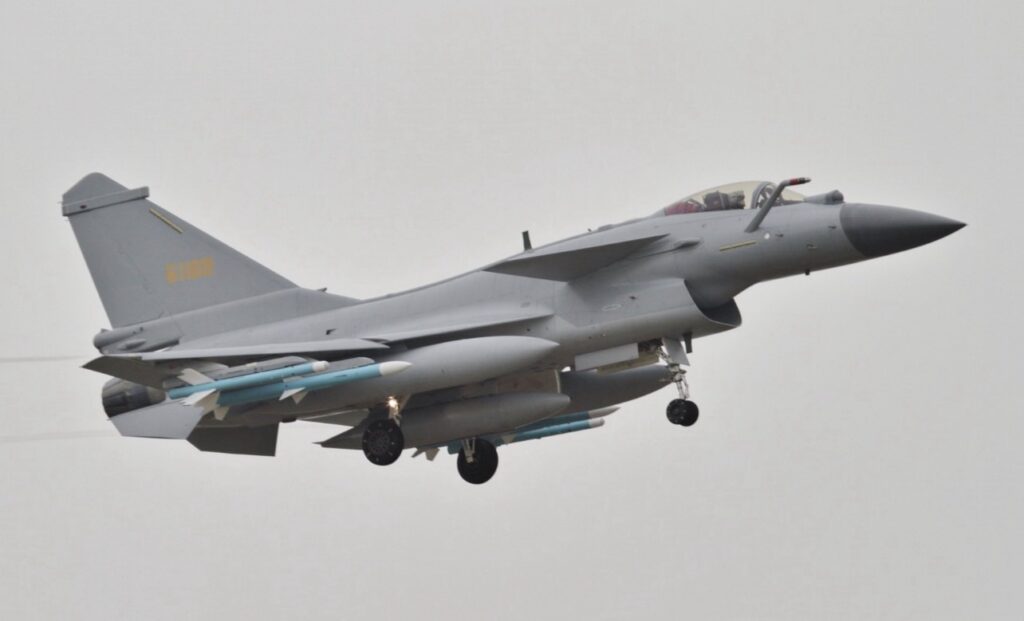
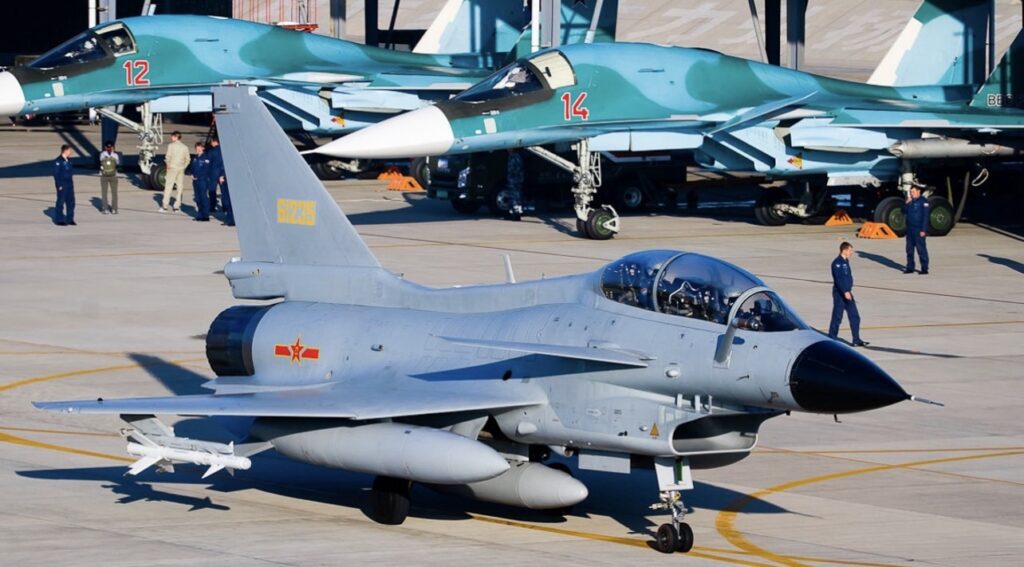
The Chengdu J-10 is a single-engine, multirole fighter developed by China as part of its drive to modernize the People’s Liberation Army Air Force (PLAAF). Entering service in the early 2000s, the J-10 marked a major leap forward from older Chinese aircraft based on Soviet-era designs.
Featuring a canard-delta wing configuration, the J-10 offers high maneuverability and advanced aerodynamics. Later variants, particularly the J-10C, include modern radar systems, improved engines, and enhanced electronic warfare capabilities. These upgrades place the J-10 closer to contemporary Western 4.5-generation fighters.
The J-10 has also become a tool of Chinese defense diplomacy, with exports to countries such as Pakistan. Overall, it reflects China’s rapid progress in aerospace technology and its growing confidence as a global military power.
Su-30 (Russia)
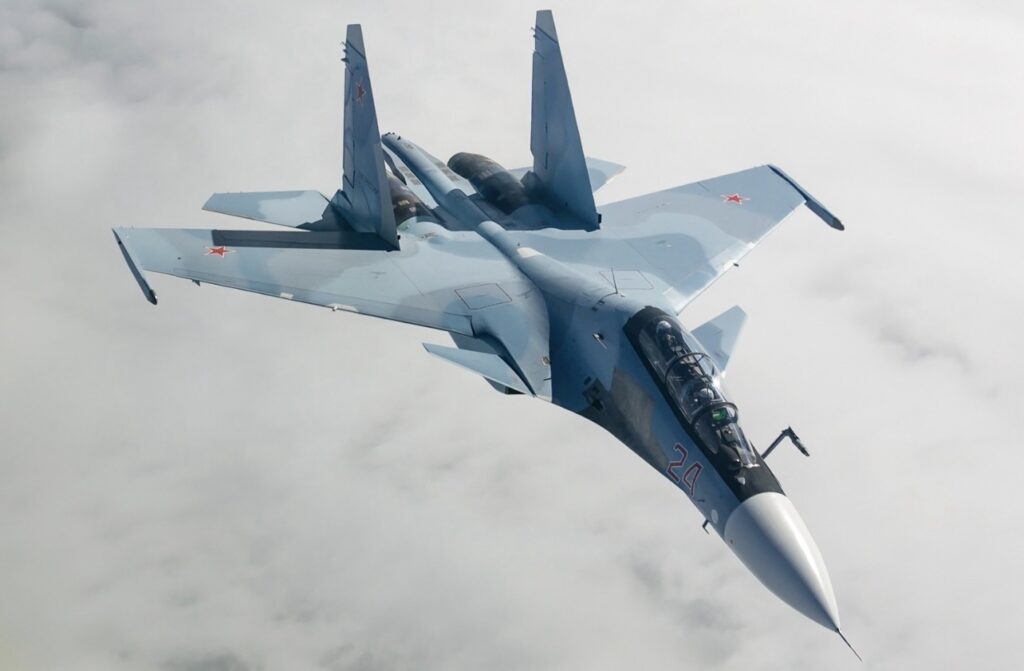
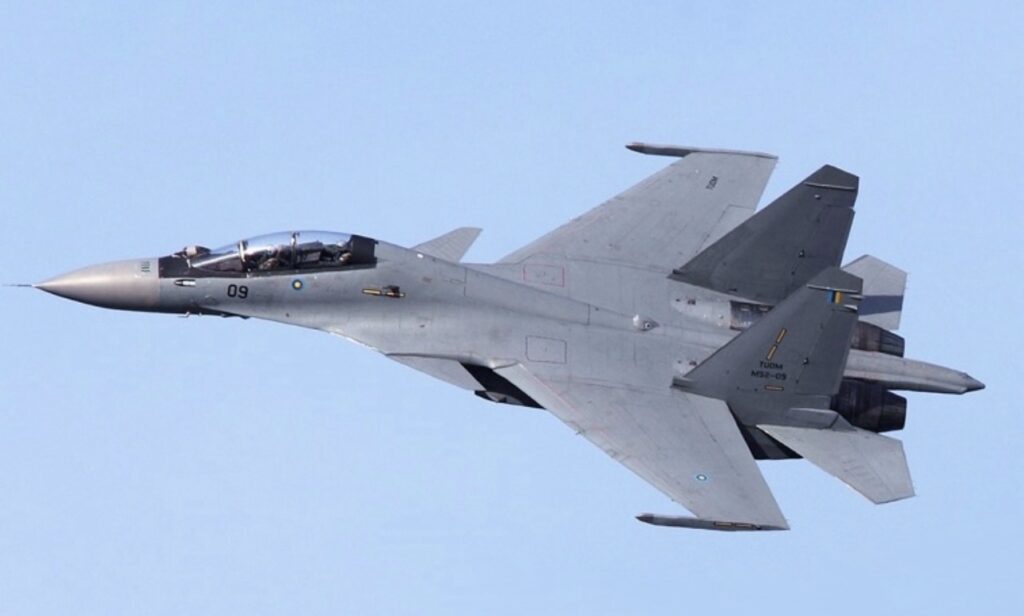
The Sukhoi Su-30 is a heavy, twin-engine, long-range multirole fighter developed from the Su-27 family. Renowned for its supermaneuverability, long endurance, and heavy payload, the Su-30 is one of the most capable fighters in service today.
Russia operates several variants, including the Su-30SM, while export versions serve with air forces around the world, notably India, which flies the customized Su-30MKI. The aircraft excels in air superiority, ground attack, and maritime strike roles, making it extremely versatile.
Equipped with advanced radar, thrust-vectoring engines (on some variants), and a wide array of weapons, the Su-30 remains a backbone of Russian air power and a major export success. Its continued upgrades ensure relevance even as fifth-generation fighters enter service.
Conclusion
From Iran’s sanction-driven self-reliance to Russia’s heavy multirole dominance, these five fighter aircraft highlight different approaches to achieving air power. The Azarakhsh symbolizes endurance, the JF-17 emphasizes affordability and partnership, Tejas reflects technological independence, J-10 showcases rapid modernization, and the Su-30 represents proven high-performance capability. Together, they offer a clear picture of how nations balance technology, strategy, and resources in the modern aerial battlefield.