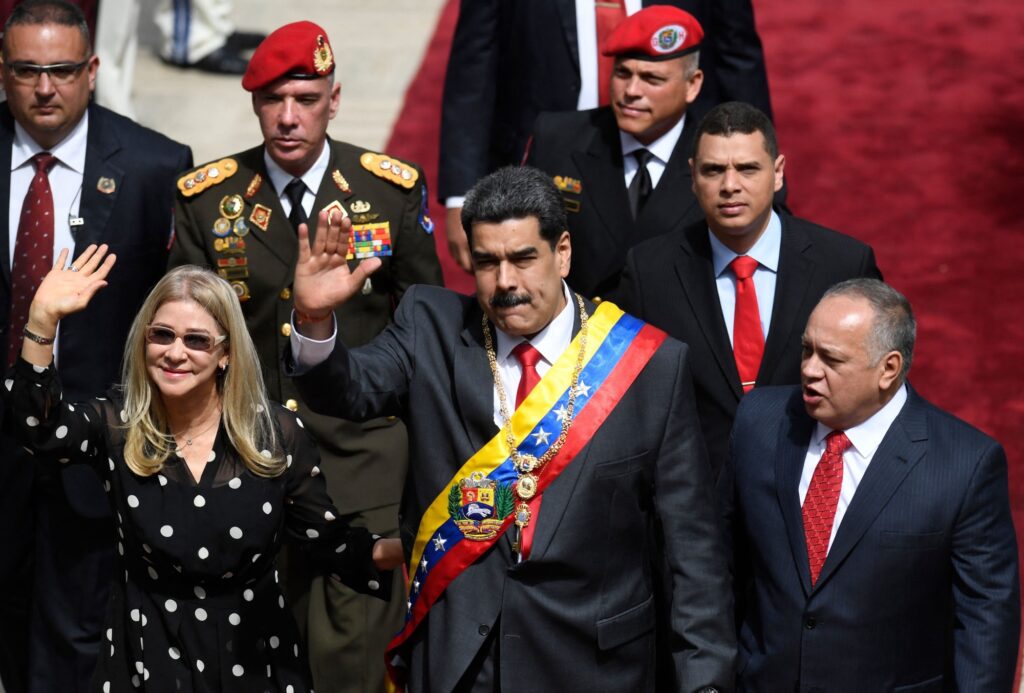
In a hypothetical geopolitical scenario that would send shockwaves across the globe, the United States launches a rapid and decisive military operation against Venezuela, culminating in the capture of President Nicolás Maduro. Though entirely fictional, this scenario illustrates how such an event could dramatically reshape regional stability, global oil markets, and international diplomacy overnight.
Rising Tensions Before the Operation
In this imagined situation, tensions between Washington and Caracas reach a breaking point after years of sanctions, diplomatic standoffs, and accusations of human rights violations. Intelligence reports allegedly indicate that Venezuela’s leadership is preparing actions that threaten regional security, prompting urgent discussions inside the U.S. National Security Council.
Diplomatic channels fail. Emergency meetings at the United Nations collapse amid veto threats and walkouts. As oil prices spike due to uncertainty, neighboring countries brace for potential instability. The stage is set for a dramatic escalation.
The Launch of the Hypothetical Strike
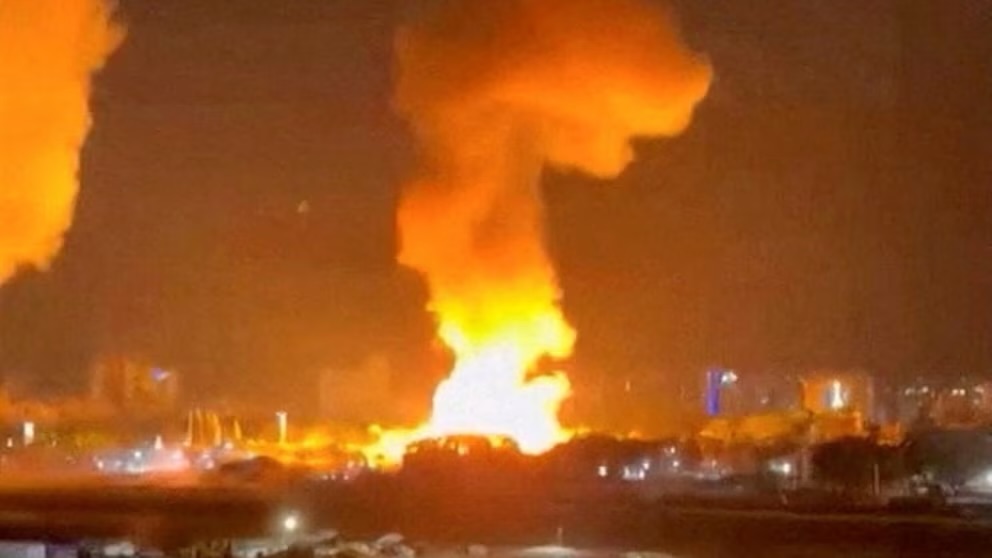
In this fictional account, the U.S. announces a limited military operation aimed at “restoring democratic order” and protecting regional allies. Precision airstrikes target Venezuelan military infrastructure, radar systems, and communication hubs. Cyber operations disrupt command networks, while naval forces secure key maritime routes in the Caribbean.
The operation unfolds with speed and coordination, designed to minimize civilian casualties while neutralizing resistance. Venezuelan air defenses are quickly overwhelmed, and loyalist forces struggle to organize a response amid confusion and misinformation.
The Capture of Nicolás Maduro
The defining moment of this imagined scenario occurs when U.S. special operations forces conduct a high-risk raid on a fortified government compound. Acting on real-time intelligence, the team breaches the location where Maduro is believed to be sheltering.
After a tense standoff, Maduro is taken into custody without lethal force. Images of the detained Venezuelan leader—surrounded by armed personnel—spread across global media within minutes, igniting fierce debate and disbelief worldwide.
Immediate Reactions Across the World
The fictional capture triggers instant reactions. Supporters of the Venezuelan government denounce the action as an illegal act of imperialism, while opposition groups celebrate what they call the end of authoritarian rule.
In Latin America, responses are mixed. Some governments condemn the operation as a violation of sovereignty, while others quietly welcome the removal of a destabilizing regime. Protests erupt in major cities from Caracas to Bogotá, Miami, and Madrid.
Russia and China issue strong statements criticizing the United States, warning of long-term consequences for international law. Emergency sessions of the UN Security Council are convened, though no consensus is reached.
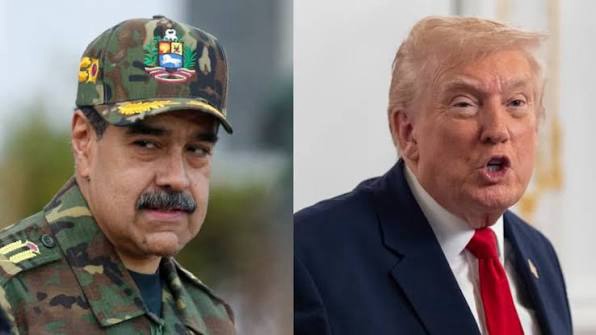
Impact on Venezuela’s Future
In this hypothetical aftermath, Venezuela enters a period of uncertainty. A transitional authority is proposed, backed by international observers and economic institutions. Political prisoners are released, and plans for internationally monitored elections are announced.
However, challenges remain immense. Years of economic collapse, hyperinflation, and infrastructure decay cannot be reversed overnight. Armed factions loyal to the former regime continue to resist in some regions, raising fears of prolonged instability.
Humanitarian organizations rush in to provide food, medicine, and aid, as millions of Venezuelans hope for lasting change after years of hardship.
Global Economic Consequences
The fictional operation sends global oil markets into turmoil. Venezuela’s vast oil reserves become a focal point of debate, with investors watching closely for signs of recovery or further disruption.
Energy prices surge initially, then stabilize as production resumes under international oversight. Analysts speculate that Venezuela could re-emerge as a major supplier if reforms succeed, reshaping energy dynamics in the Western Hemisphere.
Long-Term Geopolitical Effects
In this imagined world, the operation becomes a defining moment in U.S. foreign policy. Supporters argue it restored democracy and prevented a humanitarian disaster. Critics warn it sets a dangerous precedent for military intervention.
Military academies, universities, and policy think tanks analyze the scenario for decades, debating whether the operation strengthened global stability or undermined international norms.
A Divisive Legacy
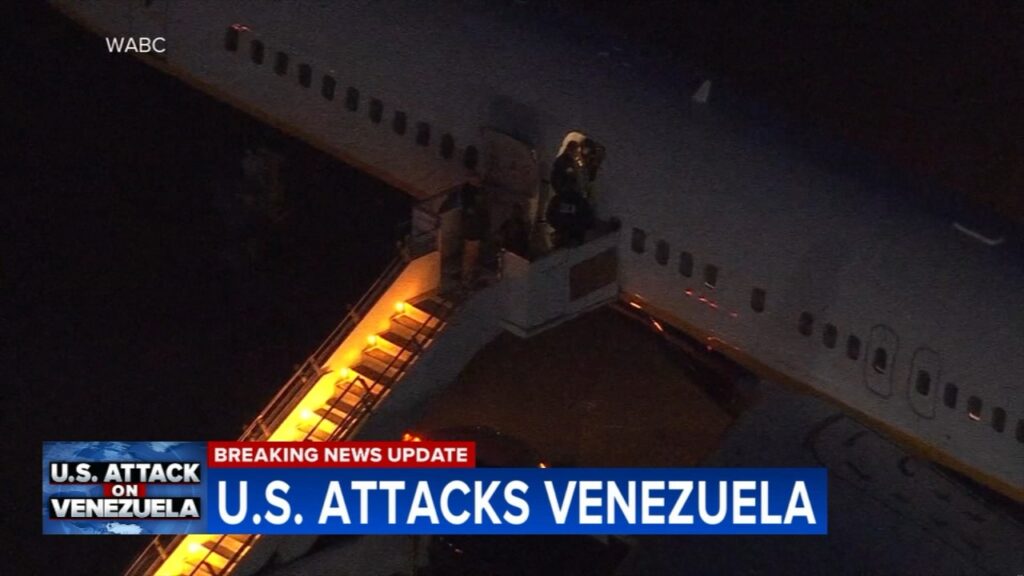
Whether viewed as liberation or aggression, this fictional capture of Nicolás Maduro would remain one of the most controversial events of the 21st century. It would redefine relationships between the United States and Latin America, influence future interventions, and reshape global political alliances.
While entirely hypothetical, the scenario highlights how fragile international order can be—and how a single decisive action could alter history in ways no one can fully predict