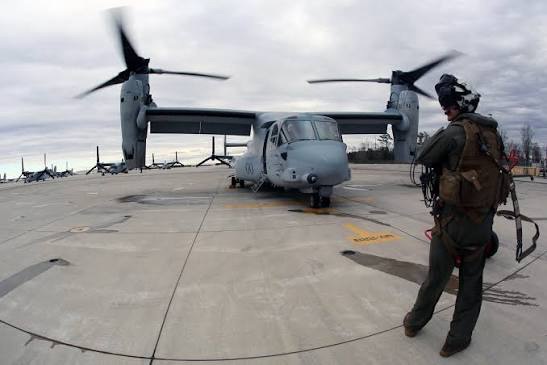
A routine operational day at a military installation quickly turned into a scene of chaos and urgency after an unexpected and catastrophic missile cart ignition occurred near an MV-22 aircraft. The incident, which unfolded within the secured perimeter of the army base, sent shockwaves through military personnel and raised serious questions about ground safety procedures, equipment handling, and emergency response readiness.
The Moment Everything Changed
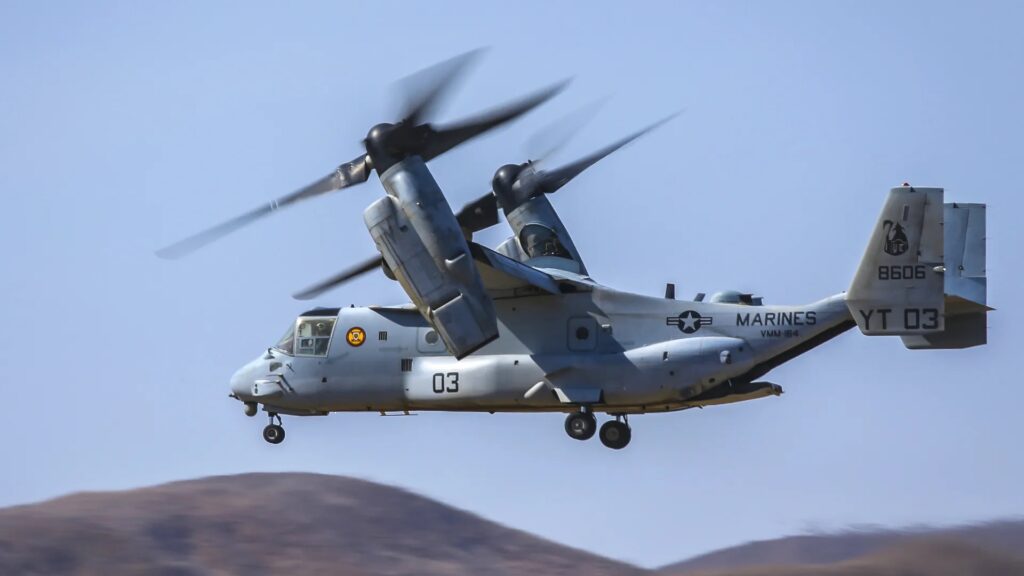
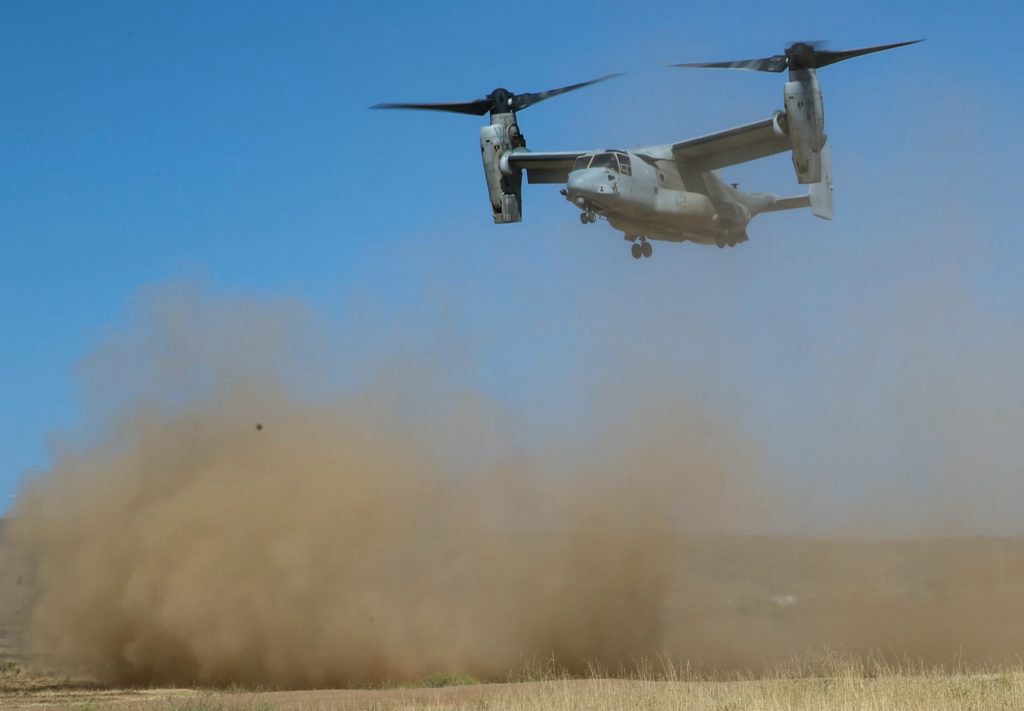
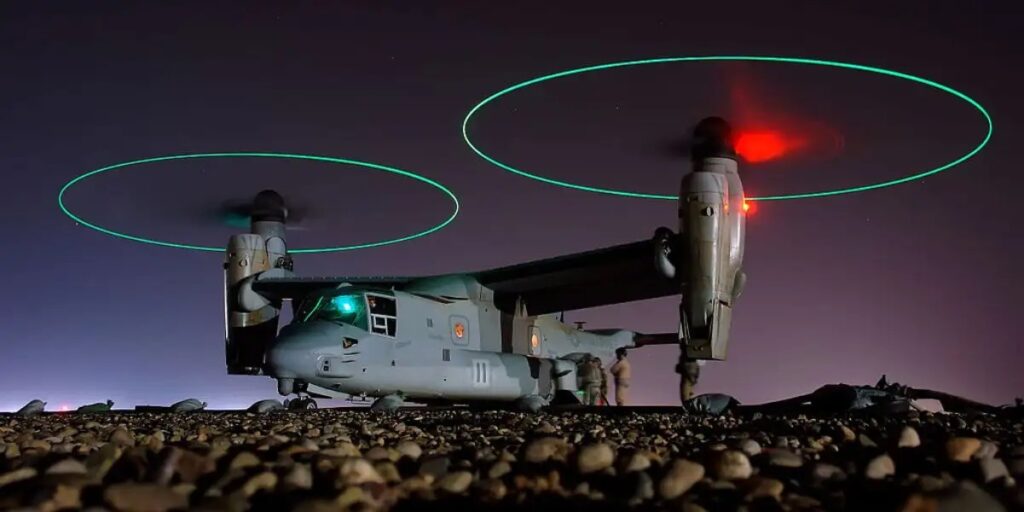
According to preliminary reports, the incident took place during standard ground operations involving an MV-22 Osprey aircraft. The MV-22, a tiltrotor aircraft capable of vertical takeoff and landing like a helicopter while cruising at high speeds like a fixed-wing aircraft, was positioned on the flight line as crews conducted pre-mission preparations.
Nearby, a missile transport cart—used to move and stage munitions before loading—was positioned as part of a routine logistics operation. Without warning, the cart experienced a sudden ignition. Witnesses described a bright flash followed by a violent burst of flame and smoke, forcing ground crews to scatter for cover.
Within seconds, alarms were triggered across the base, and emergency response teams rushed to the scene.
Immediate Emergency Response
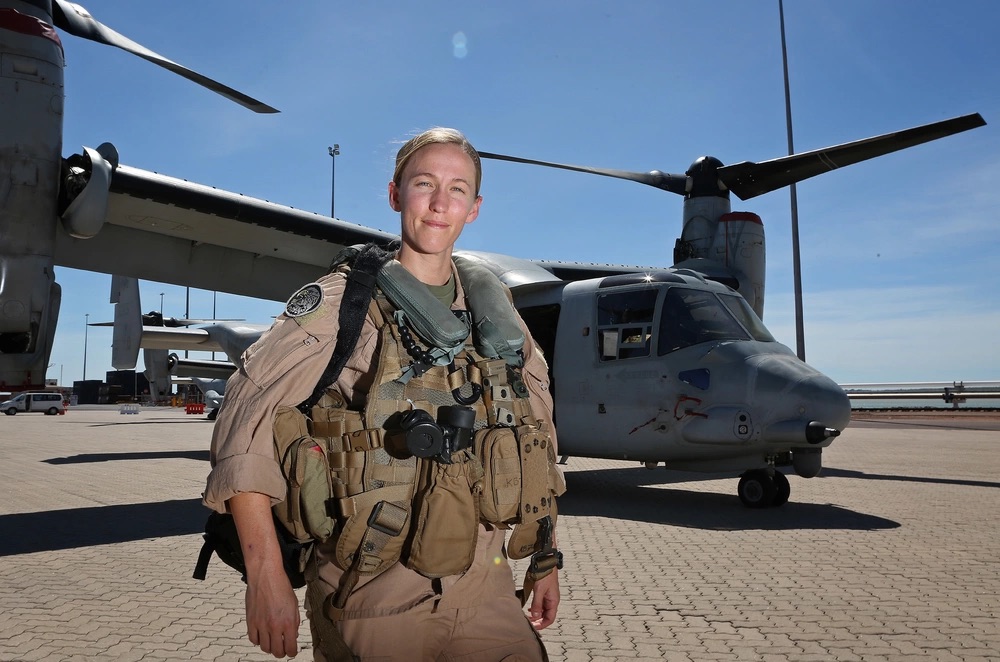
Base fire and rescue units reacted swiftly, deploying foam suppression systems and establishing a safety perimeter to prevent further damage or secondary explosions. Personnel in the immediate area were evacuated, while flight operations across the base were temporarily suspended.
The proximity of the ignition to the MV-22 aircraft raised immediate concerns. Although the aircraft itself did not explode, officials confirmed that it sustained visible heat damage. Initial inspections suggested that sensitive components, including wiring systems and composite materials, were exposed to extreme temperatures.
Medics were dispatched to assess injuries. While no fatalities were reported, several personnel were treated for minor burns, smoke inhalation, and shock. All injured individuals were transported to a military medical facility for further evaluation.
Understanding Missile Cart Operations
Missile carts are essential tools in modern military logistics, designed to safely transport and position munitions prior to aircraft loading. These carts are built with multiple safety mechanisms intended to prevent accidental ignition, including grounding systems, blast-resistant structures, and strict handling protocols.
An ignition event of this nature is considered extremely rare, especially during ground operations. Experts note that such incidents typically result from a combination of factors rather than a single failure.
Possible Causes Under Investigation
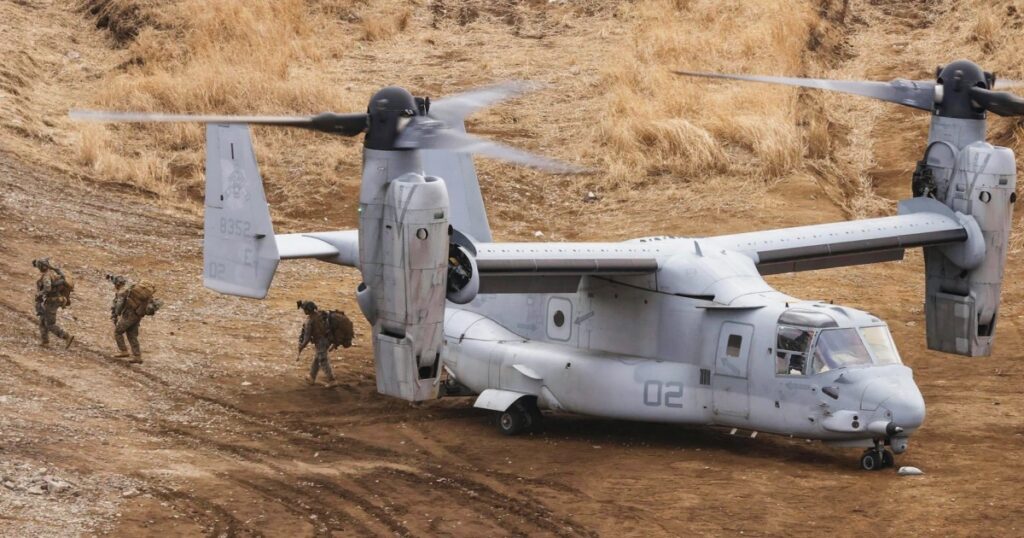
Military investigators have launched a comprehensive inquiry into the incident. While officials have not released definitive conclusions, several potential causes are being examined:
Electrical malfunction within the cart’s systems Static discharge caused by environmental conditions Human error during handling or staging procedures Defective munition components Improper grounding or bonding
Investigators are also reviewing maintenance records, recent inspections, and personnel training logs to determine whether protocols were followed correctly.
Impact on the MV-22 Program
The MV-22 Osprey has long been a critical asset for U.S. military operations, providing unmatched flexibility in troop transport, logistics, and special missions. However, the aircraft has also faced scrutiny over safety concerns throughout its service history.
This incident, while not involving the aircraft in flight, highlights the risks associated with ground operations. Aviation safety experts emphasize that many of the most dangerous incidents occur on the ground rather than in the air, where multiple systems, vehicles, and personnel operate in close proximity.
Officials confirmed that the affected MV-22 has been grounded pending a full technical assessment. Additional aircraft at the base are also undergoing precautionary inspections.
Broader Safety Implications
The ignition has sparked renewed discussion within military circles about munitions handling safety. Even with advanced technology and strict regulations, the margin for error in military environments remains razor-thin.
Former ordnance specialists point out that complacency can develop during routine operations. “When tasks become repetitive, people may underestimate risks,” one retired officer noted. “Incidents like this remind us why discipline and vigilance are non-negotiable.”
Training programs may be reviewed or updated as a result of the investigation, with an emphasis on hazard awareness and emergency response drills.
Environmental and Structural Assessment
Following the incident, environmental teams were dispatched to assess potential contamination. Explosive materials, fuel residues, and debris were carefully collected to prevent long-term environmental damage.
Structural engineers also inspected nearby facilities for blast damage. While no major structural failures were reported, several support buildings sustained scorch marks and minor shrapnel impacts.
Official Statements and Transparency
Military leadership released a brief statement acknowledging the incident and commending the rapid response of emergency personnel. Officials stressed that safety remains the top priority and promised transparency as the investigation continues.
“We are committed to identifying the root cause of this event and taking all necessary corrective actions,” the statement read. “The well-being of our service members and the integrity of our operations are paramount.”
A Stark Reminder
Although the incident did not result in loss of life, it serves as a stark reminder of the inherent dangers present in military operations—even during routine activities. The combination of high-energy systems, advanced weaponry, and complex aircraft demands constant vigilance.
As the investigation proceeds, lessons learned from this near-disaster may help prevent future accidents, reinforcing safety standards not only at this base but across military installations worldwide.