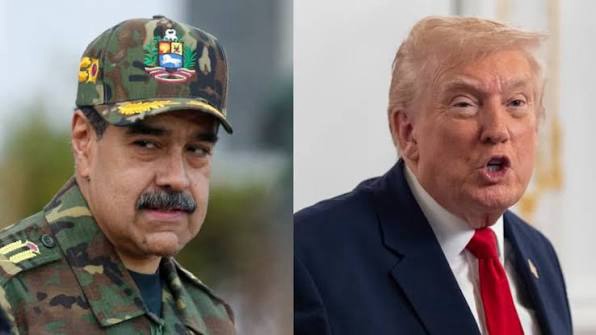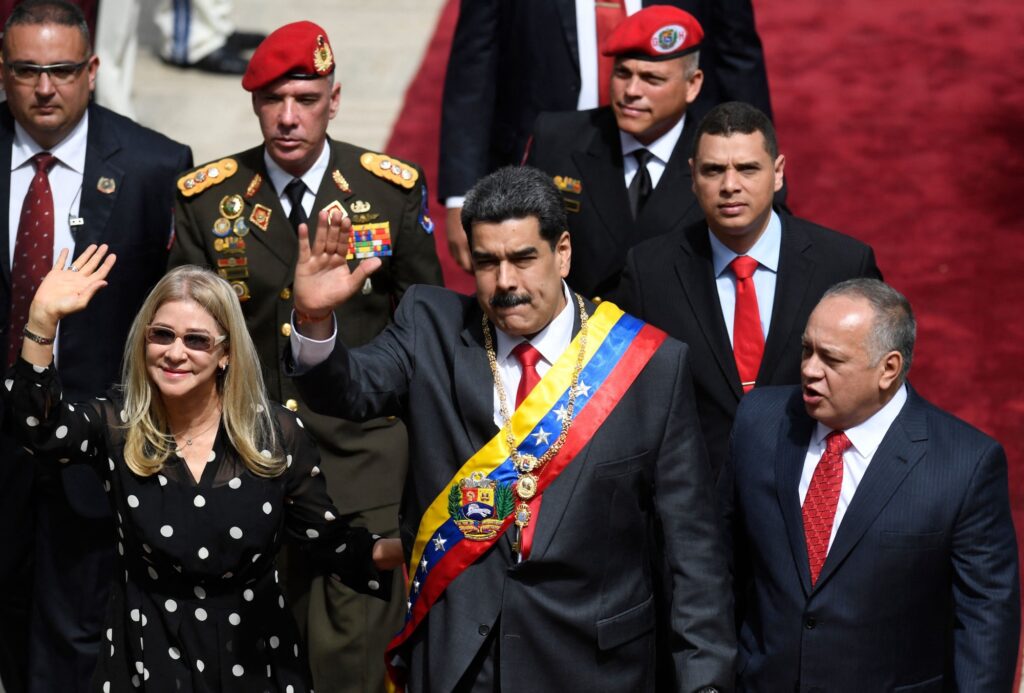
U.S. President Donald Trump has once again placed Venezuela at the center of his hardline foreign policy rhetoric, issuing a stark warning to the country’s newly installed leader. In a statement that quickly drew international attention, Trump threatened that Venezuela could face consequences “worse than Nicolas Maduro” if its new president fails to “do what’s right.” The comments have reignited debate over U.S. involvement in Latin America, the future of Venezuela’s fragile political transition, and how Washington might respond to changes in leadership in Caracas.
Trump, known for his blunt and often provocative language, did not outline specific actions but made clear that he believes Venezuela stands at a critical crossroads. According to his remarks, the new leadership has a narrow window to change course, restore democratic norms, and address long-standing economic and humanitarian crises that have plagued the nation for more than a decade.
A History of Confrontation
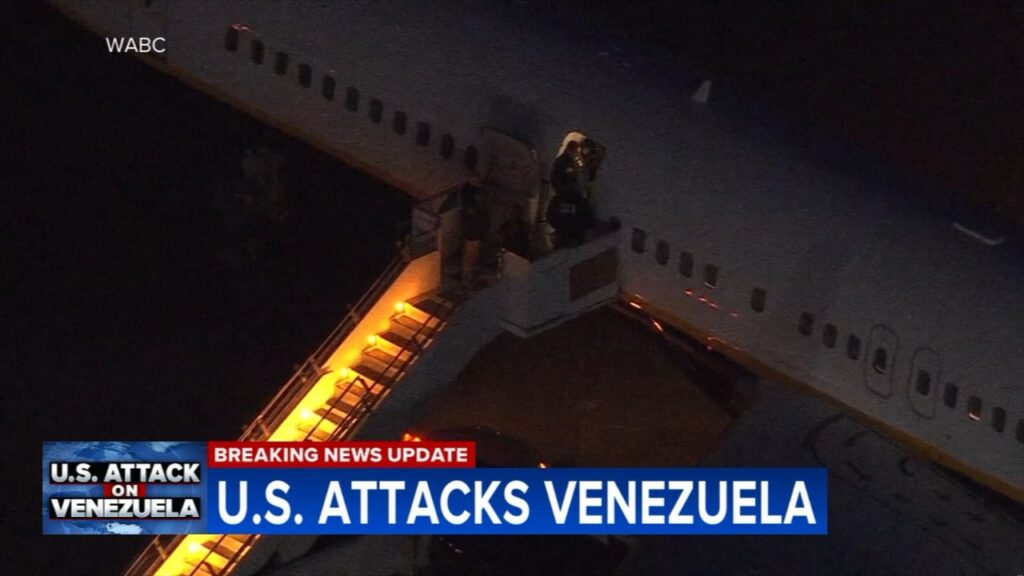
During his presidency, Trump took an unusually aggressive stance toward Venezuela. His administration imposed sweeping economic sanctions, restricted access to international financial systems, and openly supported opposition movements seeking to remove Nicolas Maduro from power. Trump frequently described Maduro as an illegitimate ruler and framed U.S. policy toward Venezuela as a moral struggle between democracy and authoritarianism.
Those policies had far-reaching consequences. While supporters argued that sanctions were necessary to pressure the government into reform, critics claimed they worsened everyday suffering for ordinary Venezuelans already facing hyperinflation, food shortages, and mass emigration. By the time Trump left office, millions of Venezuelans had fled the country, creating one of the largest displacement crises in modern history.
Against that backdrop, Trump’s new warning carries significant weight. His reference to an outcome “worse than Nicolas Maduro” suggests not only the continuation of pressure but potentially an escalation if he were to regain political influence or if U.S. policy were to shift again in a more confrontational direction.
The Message to Venezuela’s New Leader
Trump’s comments appear directed at Venezuela’s new head of state, whom he portrayed as being under intense international scrutiny. Referring to the leader as “she,” Trump emphasized that leadership change alone is not enough to reset relations with Washington. In his view, meaningful actions—such as respecting election outcomes, freeing political prisoners, and allowing independent institutions to function—are essential.

“Doing what’s right,” according to Trump’s framing, implies aligning with Western democratic standards and reducing the influence of authoritarian allies. Although he did not name specific countries, past statements suggest he remains deeply concerned about Venezuela’s relationships with nations such as Russia, China, and Iran.
Political analysts note that Trump’s rhetoric serves multiple purposes. On one hand, it signals to U.S. voters that he remains tough on socialism and authoritarianism abroad. On the other, it sends a message to international actors that a future Trump-led administration would not soften its stance on Venezuela simply because of a leadership change.
International Reactions
The response from the international community has been mixed. Some governments in the region expressed concern that inflammatory language could destabilize an already delicate political environment. Others privately welcomed pressure that could encourage reforms and accountability in Caracas.
Human rights organizations cautioned against policies that could further harm civilians. They argue that any engagement with Venezuela’s leadership should prioritize humanitarian relief, economic recovery, and dialogue rather than threats alone. Past experience, they note, has shown that isolation can entrench power rather than weaken it.
Meanwhile, supporters of Trump’s approach argue that strong warnings are necessary to prevent history from repeating itself. In their view, Venezuela’s crisis is the result of years of corruption, mismanagement, and authoritarian control, and only firm international pressure can prevent a return to those conditions under a new leader.
Domestic Political Implications
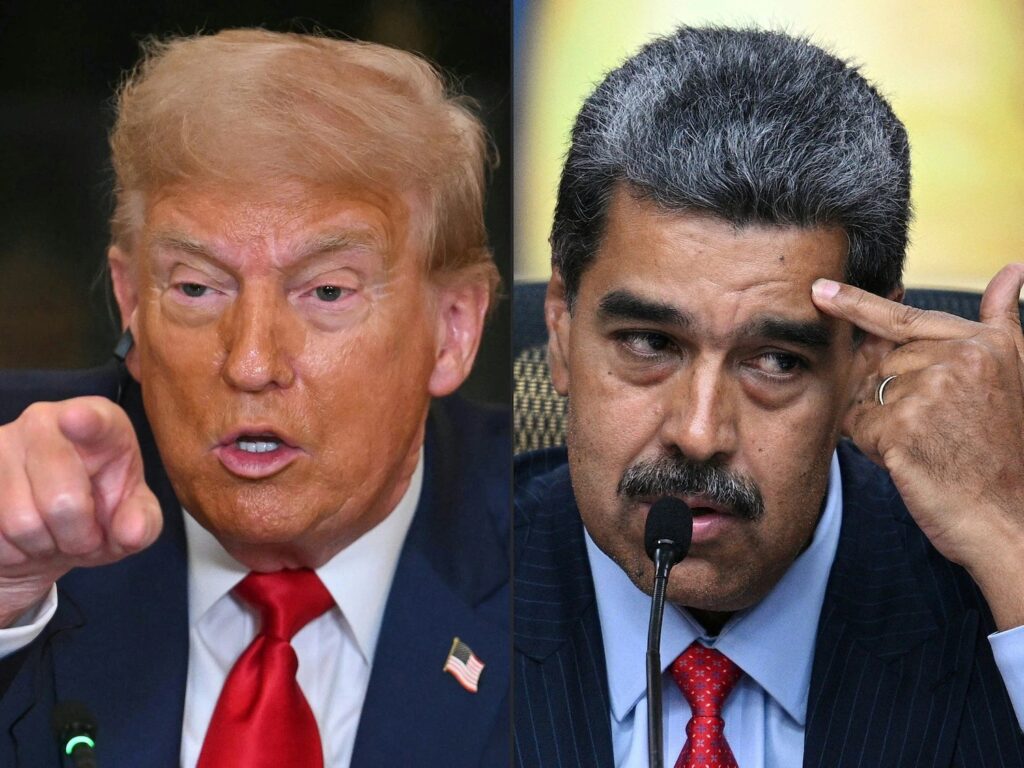
Trump’s statement also plays into domestic U.S. politics. Venezuela has long been a symbolic issue in American political discourse, particularly among voters concerned about socialism, immigration, and national security. By invoking Maduro’s name, Trump taps into a powerful narrative that resonates with parts of his political base.
The mention of consequences “worse than” the Maduro era raises questions about what tools Trump believes should be used. Economic sanctions, diplomatic isolation, and support for opposition groups were hallmarks of his previous approach. Whether such measures would be effective—or even politically feasible—today remains uncertain.
What Comes Next for Venezuela
For Venezuela’s new leadership, Trump’s warning underscores the challenges ahead. The country faces enormous economic problems, crumbling infrastructure, and a population weary of political turmoil. Rebuilding trust, both domestically and internationally, will require careful navigation between reform, stability, and sovereignty.
If the new government pursues transparency, economic restructuring, and inclusive governance, it may find opportunities to reset relations with multiple countries, including the United States. However, continued confrontation or perceived backsliding on democratic principles could invite renewed pressure and isolation.
A Familiar Pattern
Ultimately, Trump’s remarks reflect a familiar pattern in his foreign policy worldview: a belief in strength, leverage, and clear ultimatums. Whether such an approach would lead to meaningful change in Venezuela remains a subject of intense debate.
What is clear is that Venezuela’s political future continues to attract global attention, and statements from influential figures like Donald Trump can shape perceptions and expectations far beyond U.S. borders. As the country’s new leadership attempts to chart a path forward, the shadow of past conflicts—and warnings of future consequences—looms large