Warthog’s Toughest Test: How an A-10 Survived a Missile Strike and Landed Safely Built to Take a Hit: The A-10 Thunderbolt II That Defied a Missile Attack
An A-10 Thunderbolt II Landed Safely After Being Hit by a Missile
The A-10 Thunderbolt II, famously known as the “Warthog,” has long been regarded as one of the toughest aircraft ever built. Designed during the Cold War for close air support, the A-10 was created with one primary mission in mind: protect ground troops while surviving intense enemy fire. Few stories illustrate this legendary resilience better than the incident in which an A-10 Thunderbolt II was struck by a missile yet still managed to return and land safely.
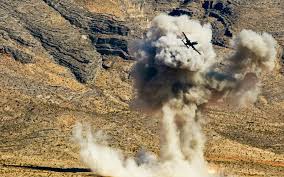
During combat operations, A-10s often fly low and slow compared to other jet fighters. This flight profile allows pilots to accurately identify targets and provide precise fire support, but it also exposes the aircraft to ground-based threats such as anti-aircraft guns and surface-to-air missiles. In this particular incident, the A-10 was operating in a hostile environment when a missile was launched from the ground, striking the aircraft mid-mission.
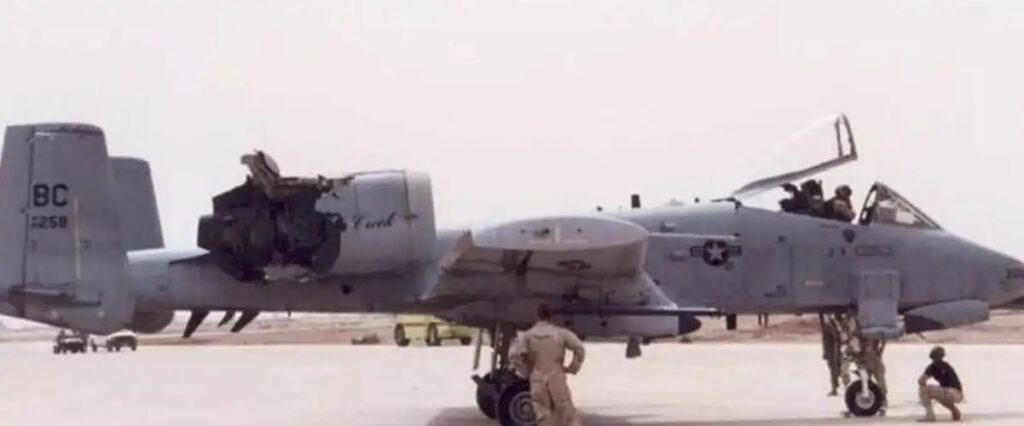
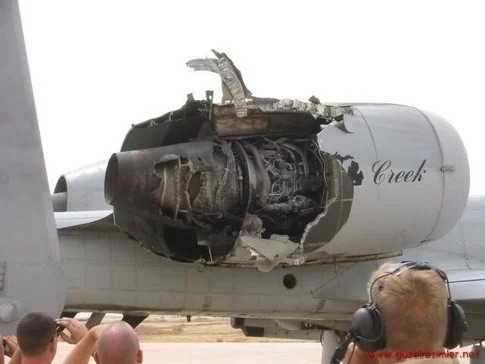
The impact caused immediate damage. Parts of the airframe were torn apart, and critical systems were affected. In most modern fighter jets, such a hit would likely result in catastrophic failure. However, the A-10 is not a typical fighter. Its designers anticipated this exact scenario and engineered the aircraft to absorb punishment and keep flying.
One of the most distinctive features of the A-10 is its titanium “bathtub” cockpit. This armored shell surrounds the pilot and protects them from shrapnel, small-arms fire, and missile fragments. In this case, the armor performed exactly as intended, shielding the pilot from the blast and allowing them to remain conscious and in control of the aircraft.
Equally important is the A-10’s redundant flight systems. The aircraft uses dual hydraulic systems, and if both are damaged, the pilot can still fly using a manual reversion mode. After the missile strike, despite losing parts of its control surfaces and suffering system failures, the A-10 remained controllable. The engines, mounted high and separated on the fuselage, continued to provide thrust even though one was partially damaged.
The pilot made the critical decision to abort the mission and head back to base. Flying a damaged aircraft requires immense skill, calmness, and experience. The A-10’s forgiving handling characteristics helped, allowing the pilot to maintain stable flight despite the structural damage. As the aircraft approached the runway, emergency crews were placed on standby, prepared for the worst.
Against the odds, the A-10 touched down safely. The landing marked not just the survival of the pilot, but also a triumph of engineering philosophy. The aircraft had done exactly what it was designed to do: take a hit, protect its pilot, and bring them home.
After the incident, images of the damaged A-10 circulated widely, showing large holes in the wings and fuselage. These visuals reinforced the aircraft’s fearsome reputation and reminded observers why ground troops trust the Warthog so deeply. The GAU-8 Avenger cannon may be the A-10’s most famous feature, but its true strength lies in its ability to survive where other aircraft cannot.
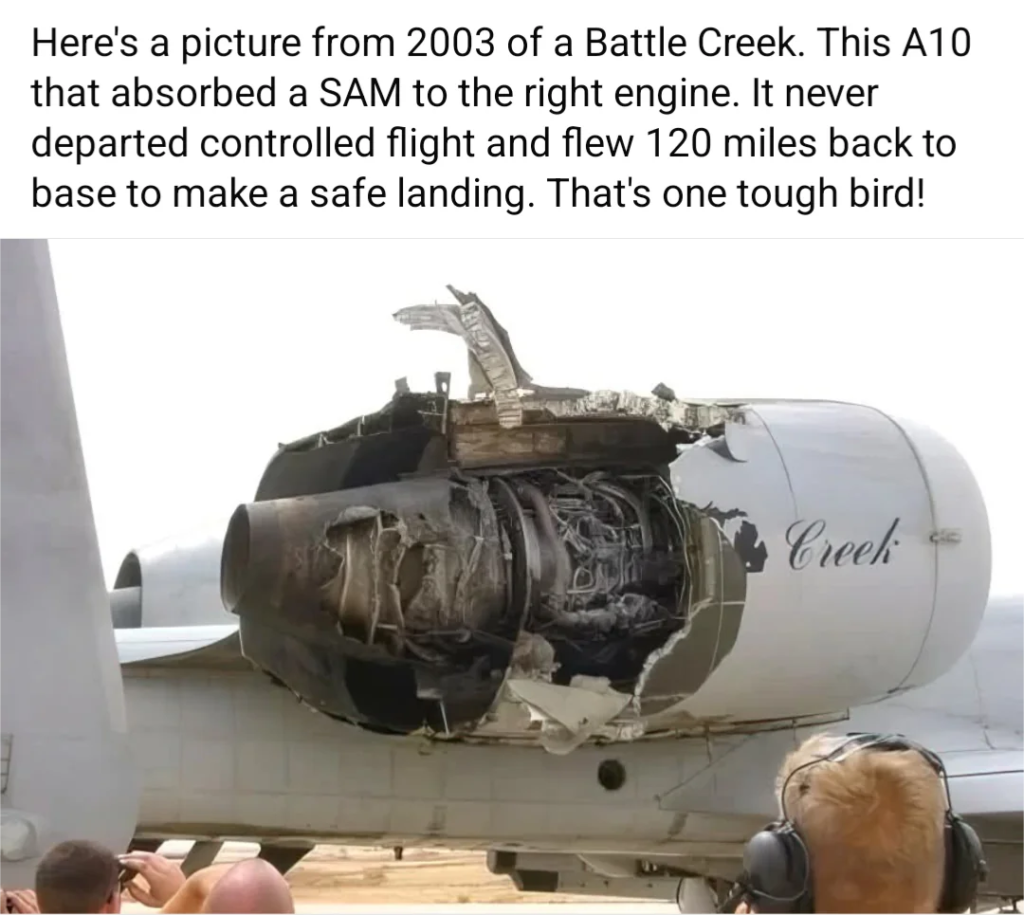
This event stands as a powerful example of why the A-10 Thunderbolt II remains respected despite debates over its retirement. In real combat, survivability can mean the difference between life and death. The missile-damaged A-10 that landed safely is more than just a dramatic story—it is proof that rugged design, thoughtful engineering, and skilled pilots can overcome even the most dangerous situations in modern warfare.