World’s Most Powerful Tanks: A Global Comparison of Modern Armored Giants
In modern warfare, the main battle tank (MBT) remains one of the most feared and decisive weapons on the battlefield. Despite the rise of drones, precision missiles, and cyber warfare, tanks continue to evolve—combining heavy armor, advanced electronics, devastating firepower, and superior mobility. Around the world, several nations have developed cutting-edge tanks designed to dominate both conventional and asymmetric combat. This article explores some of the world’s most powerful tanks, highlighting their strengths, technology, and battlefield roles.
Type 10 (Japan): Speed and Digital Precision
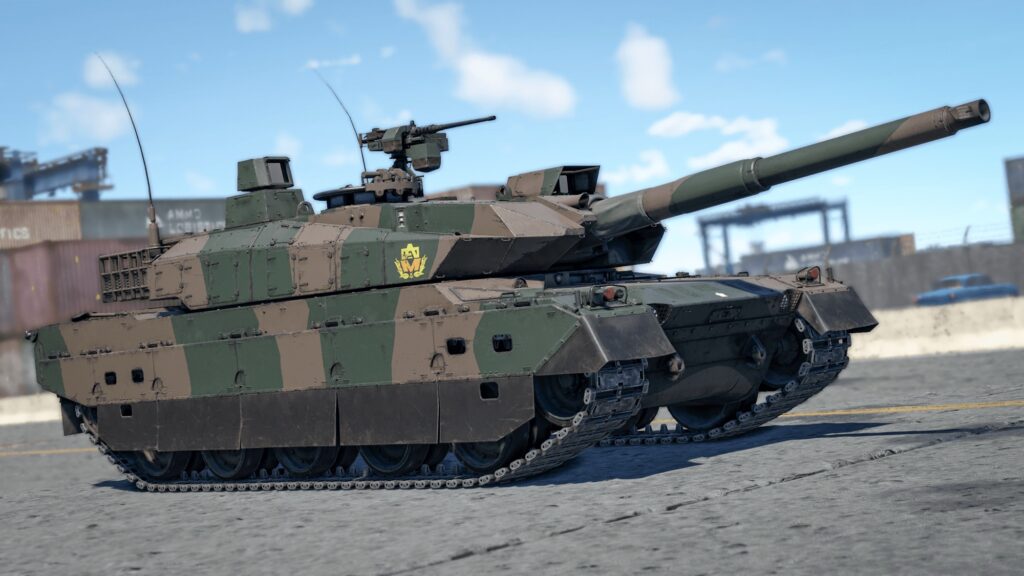
Japan’s Type 10 main battle tank represents a new generation of lightweight yet technologically advanced armor. Designed to operate efficiently across Japan’s mountainous and urban terrain, the Type 10 prioritizes agility over brute mass.
Weighing significantly less than many Western MBTs, the Type 10 features modular composite armor, allowing commanders to adjust protection levels depending on mission requirements. Its 120mm smoothbore gun, developed domestically, can fire both standard NATO ammunition and Japan’s advanced armor-piercing rounds.
What truly sets the Type 10 apart is its C4I battlefield networking system, which allows real-time data sharing between tanks, infantry, and command units. This digital edge enables faster target acquisition and coordinated attacks, making the Type 10 a lethal force multiplier despite its smaller size.
Challenger 2 (United Kingdom): Unmatched Defensive Power

The Challenger 2 is widely regarded as one of the most heavily protected tanks ever built. Serving as the backbone of the British Army’s armored forces, it is famous for its exceptional survivability.
Equipped with Dorchester composite armor, an advanced version of Chobham armor, the Challenger 2 offers remarkable resistance against kinetic penetrators and shaped-charge munitions. Its 120mm rifled gun, unique among modern MBTs, delivers extreme accuracy and long-range lethality.
In combat history, the Challenger 2 has an almost legendary reputation—having survived multiple direct hits during conflicts in Iraq without being destroyed by enemy fire. Recent upgrades under the Challenger 3 program aim to modernize its fire control, sensors, and main gun to keep it competitive for decades.
Leopard 2 (Germany): The NATO Standard Bearer
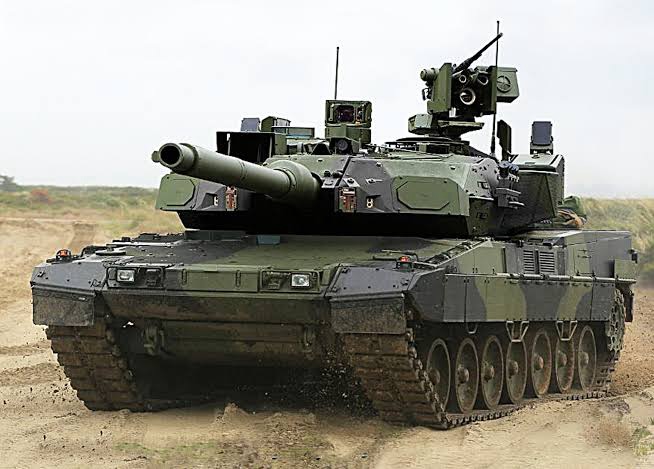
Germany’s Leopard 2 is one of the most successful and widely exported main battle tanks in the world. Known for its balance of firepower, protection, and mobility, the Leopard 2 has become a benchmark for NATO allies.
Armed with a 120mm Rheinmetall smoothbore gun, the Leopard 2 can defeat modern armor at long distances with exceptional accuracy. Its advanced fire-control system allows accurate firing while on the move, day or night.
Later variants, such as the Leopard 2A7, feature enhanced armor, improved urban combat capability, and advanced thermal imaging. Its reliability and adaptability have made it a favorite across Europe and beyond, from Arctic conditions to desert warfare.
C2 Ariete (Italy): Precision and Mobility
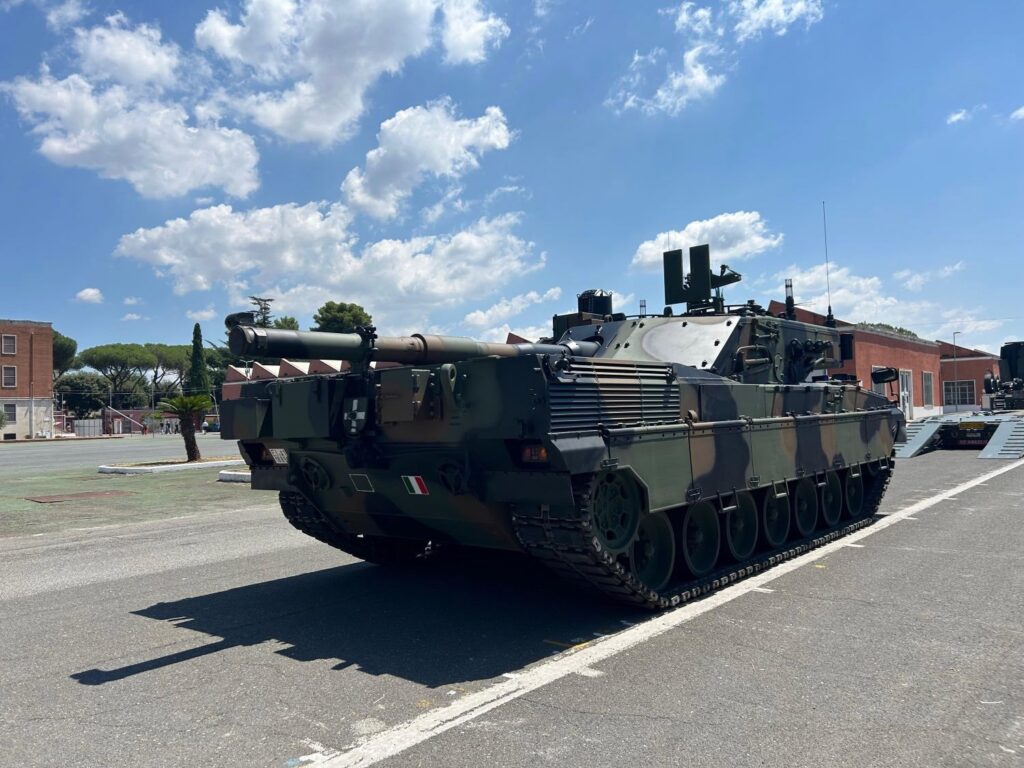
Italy’s C2 Ariete reflects a design philosophy focused on mobility and firepower tailored to European battlefields. While it may not be as heavily armored as some of its counterparts, it compensates with agility and advanced targeting systems.
The Ariete is armed with a 120mm smoothbore cannon and modern fire-control electronics that enable high first-round hit probability. Recent modernization efforts aim to improve armor protection, engine performance, and digital systems, extending the tank’s operational lifespan.
The C2 Ariete plays a vital role in Italy’s armored brigades, emphasizing rapid deployment and integration with NATO forces.

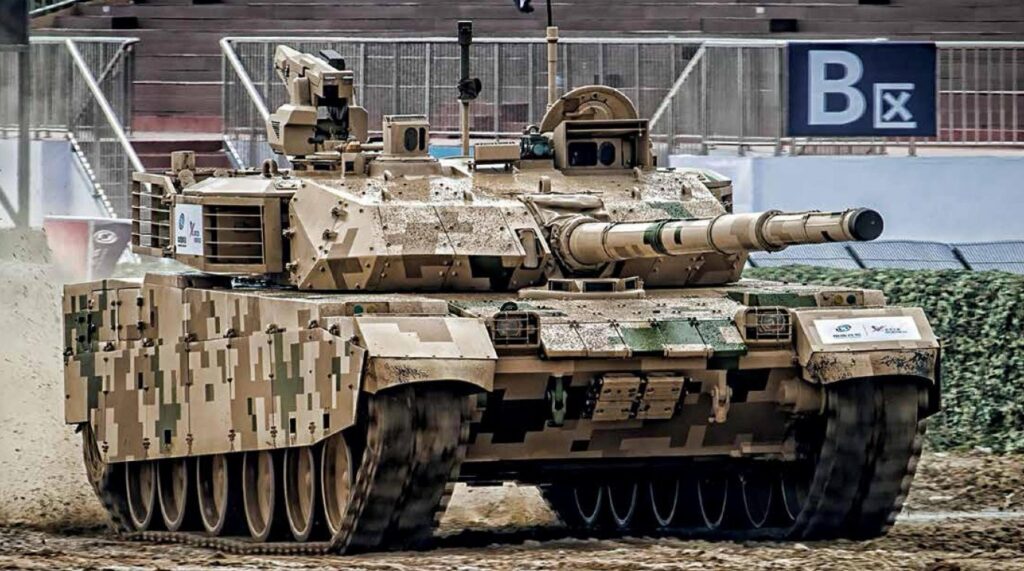
VT-4 (China): Export Powerhouse with Modern Features
China’s VT-4, also known as the MBT-3000, represents Beijing’s push into the global arms export market. Designed for international customers, the VT-4 combines modern technology with cost-effective production.
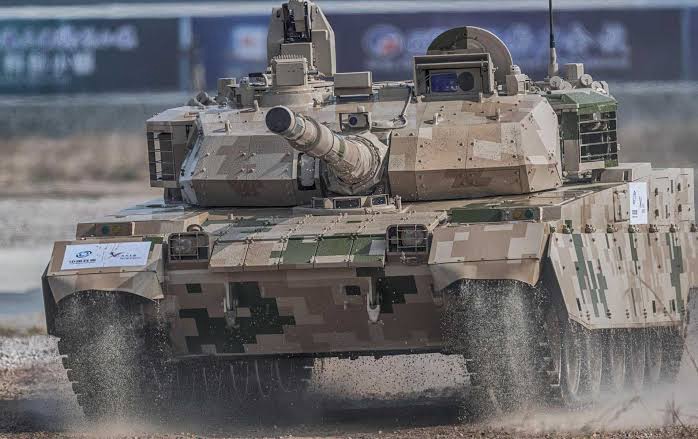
The tank features a 125mm smoothbore gun capable of firing anti-tank guided missiles, giving it extended engagement range. Its composite and reactive armor provide solid protection, while advanced thermal sights enhance night-fighting capability.
The VT-4 has been adopted by several countries, proving that China can deliver competitive armored platforms that rival Western designs in capability while remaining affordable.
M1A2 Abrams (United States): Battlefield Dominance
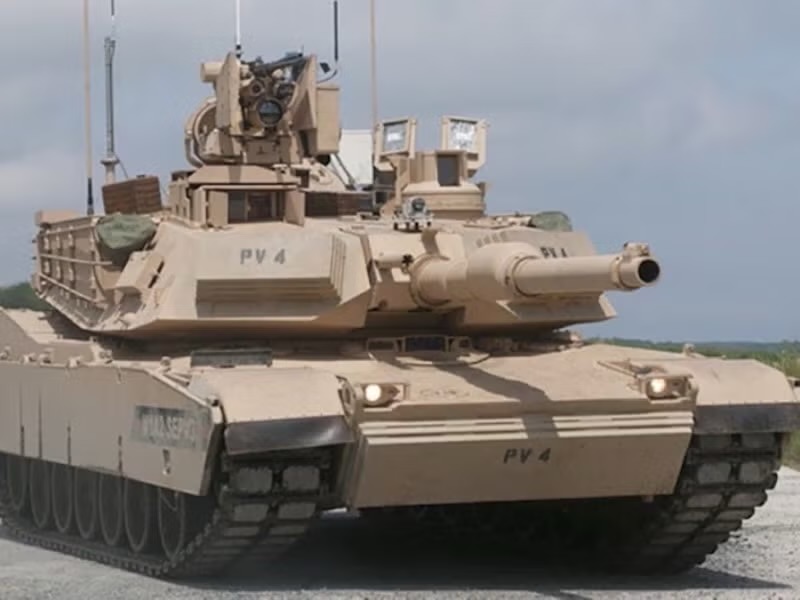
The M1A2 Abrams is arguably the most combat-tested modern tank in existence. Serving as the primary MBT of the U.S. Army, it has demonstrated overwhelming battlefield dominance in multiple conflicts.
Powered by a gas turbine engine, the Abrams offers exceptional acceleration and mobility despite its heavy armor. Its 120mm smoothbore gun, combined with advanced targeting systems, allows rapid and precise engagement of enemy armor.
One of the Abrams’ greatest strengths is its composite armor incorporating depleted uranium, providing unparalleled protection. Continuous upgrades, including improved electronics, networking, and active protection systems, ensure the Abrams remains a formidable force well into the future.
K2 Black Panther (South Korea): Technological Excellence

South Korea’s K2 Black Panther is often considered one of the most technologically advanced tanks in the world. Designed to counter regional threats, the K2 emphasizes automation, situational awareness, and mobility.
It features a 120mm smoothbore gun with an autoloader, reducing crew size and increasing rate of fire. The tank’s advanced suspension system allows it to “kneel” or adjust its posture, improving firing angles and stability.
With sophisticated sensors, radar-based threat detection, and optional active protection systems, the K2 Black Panther represents the future of armored warfare.
Olifant Mk2 (South Africa): Battle-Proven Evolution
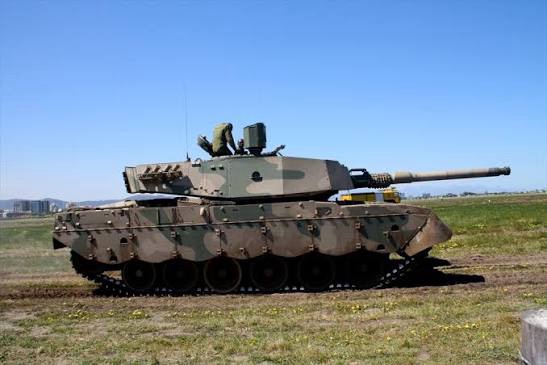
The Olifant Mk2 is a modernized evolution of older tank designs, tailored to Africa’s unique operational environment. While not as technologically advanced as newer MBTs, it remains highly effective in regional conflicts.
Upgraded armor, improved fire-control systems, and enhanced mobility make the Olifant Mk2 a reliable and rugged platform. Its design emphasizes durability, ease of maintenance, and battlefield survivability.
Conclusion
From Japan’s digitally networked Type 10 to America’s battle-hardened Abrams, the world’s most powerful tanks showcase different approaches to armored warfare. Each reflects its nation’s strategic priorities, terrain, and military doctrine. As technology continues to evolve, these steel giants remain central to ground combat—proving that tanks, far from being obsolete, are more lethal and sophisticated than ever.