On October 27, 2024, a routine helicopter lift-off at Pearland Regional Airport in Texas turned into a serious aviation incident involving a Robinson R22 Beta. Within moments of becoming airborne, the helicopter entered an uncommanded pedal turn, its right skid dragged along the surface, and a classic dynamic rollover unfolded. The sequence ended with the tailboom separating after striking the ramp and the aircraft colliding with a nearby parked airplane. Although the pilot sustained only minor injuries, the helicopter was substantially damaged. The National Transportation Safety Board (NTSB) later determined that the probable cause was the pilot’s failure to maintain control during lift-off. Footage from the investigation, identified as CEN25LA031, provides a sobering look at how quickly a loss of control can escalate during one of the most critical phases of helicopter flight.
The Aircraft: Robinson R22 Beta
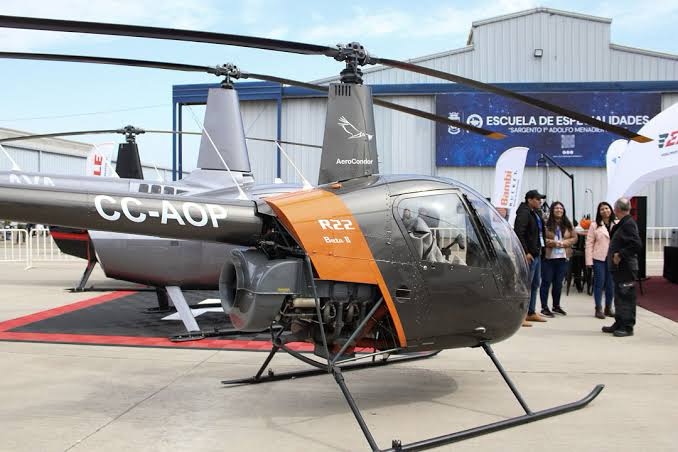
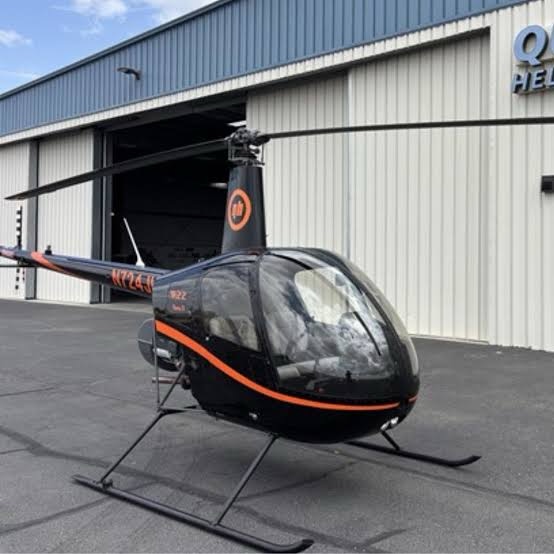
The Robinson R22 Beta is a light, two-seat helicopter widely used for flight training, time-building, and personal aviation. Known for its simplicity and cost-effectiveness, the R22 has introduced thousands of pilots to rotary-wing flying. However, its light weight, low inertia rotor system, and skid-type landing gear also demand precise handling—especially during takeoff and landing. These characteristics mean that errors during lift-off, particularly in pedal and cyclic control, can quickly develop into dangerous situations if not corrected immediately.
The Critical Phase: Lift-Off
Helicopter lift-off is deceptively complex. Unlike fixed-wing aircraft, which accelerate along a runway before flying, helicopters transition directly from ground contact to hover. During this phase, the aircraft is vulnerable to wind effects, torque reactions, surface friction on the skids, and pilot input timing. Any imbalance—whether from control misapplication, environmental factors, or delayed correction—can lead to instability.
In the Pearland incident, the helicopter had just become airborne when it began an unintended pedal turn. Pedals in a helicopter control yaw by adjusting tail rotor thrust to counteract main rotor torque. If pedal inputs are excessive or poorly coordinated with collective and cyclic movements, the helicopter can yaw unexpectedly. Near the ground, this yaw can be especially hazardous because one skid may still be in partial contact with the surface.
What Is Dynamic Rollover?
Dynamic rollover is a well-known but often misunderstood helicopter accident scenario. It occurs when a helicopter pivots around a fixed point—usually a skid or wheel—that remains in contact with the ground while the aircraft rolls past a critical angle. Once that angle is exceeded, even full opposite control may not stop the rollover.
In this case, as the R22 began to yaw, the right skid dragged along the ground. That contact point became the pivot. As the helicopter continued rotating, the rolling motion accelerated, and the aircraft passed the point of no return. The tailboom then struck the ramp surface, separating from the fuselage, before the helicopter continued its rotation and struck a nearby parked airplane.
Dynamic rollover accidents are particularly dangerous because they happen quickly and close to the ground, leaving little time for recovery. Training emphasizes prevention over recovery: once the rollover begins, the options are extremely limited.
The Sequence of Events
Based on the NTSB’s findings, the sequence unfolded rapidly:
Initial Lift-Off: The helicopter transitioned from ground contact to airborne. Unintended Pedal Turn: Shortly after becoming airborne, the aircraft yawed. Skid Contact: The right skid dragged on the ground, creating a pivot point. Rollover Initiation: The helicopter rolled around the skid, entering a dynamic rollover. Structural Impact: As rotation continued, the tailboom struck the ramp and separated. Secondary Collision: The aircraft then collided with a parked airplane.
Despite the severity of the damage, the pilot suffered only minor injuries—a reminder of both the vulnerability and resilience involved in aviation incidents.
NTSB Findings and Probable Cause
After investigating the accident, the NTSB concluded that the probable cause was the pilot’s failure to maintain control during lift-off. This determination highlights a core principle of helicopter safety: precise control coordination during takeoff is essential. Even small deviations in pedal, collective, or cyclic input can have outsized consequences when the helicopter is light on the skids and close to the ground.
The investigation footage (CEN25LA031) underscores how quickly the situation deteriorated. What began as a routine maneuver turned into a multi-impact accident in seconds, reinforcing the idea that helicopter pilots must remain fully focused during every lift-off, regardless of experience level or familiarity with the aircraft.

Lessons for Helicopter Pilots
This incident offers several important lessons for the rotorcraft community:
Respect the Hover Zone: The transition from ground to hover is one of the most critical phases of flight. Pilots should ensure the helicopter is stable before increasing collective further. Pedal Discipline: Smooth, measured pedal inputs are vital, especially during torque changes at lift-off. Avoid Skid Drag: Any lateral movement or yaw while a skid is in contact with the ground increases rollover risk. Wind Awareness: Even light winds can contribute to yaw and roll tendencies during takeoff. Training Emphasis: Dynamic rollover prevention should be repeatedly practiced in training, with instructors reinforcing early recognition and corrective actions.
Broader Safety Implications
While this accident involved a light training helicopter, the principles apply across all rotorcraft operations. Dynamic rollover has been responsible for numerous accidents worldwide, often during routine operations such as slope landings, confined area takeoffs, or ground maneuvering. The Pearland incident serves as a real-world example that even flat, familiar environments can become hazardous if control is momentarily lost.
For flight schools and operators, the event underscores the importance of recurrent training, standardized procedures, and scenario-based instruction that prepares pilots for unexpected yaw or roll tendencies at low altitude.
Conclusion
The October 27, 2024 Robinson R22 Beta accident at Pearland Regional Airport is a stark reminder of how unforgiving helicopter physics can be during lift-off. A brief loss of control, an unintended pedal turn, and a dragging skid combined to initiate a dynamic rollover that caused substantial damage and narrowly avoided more serious injuries. The NTSB’s conclusion—that the pilot failed to maintain control during lift-off—highlights a fundamental truth in aviation: mastery of basics is essential, and complacency has no place in the cockpit.
By studying incidents like this and understanding the mechanics behind them, pilots and operators can reinforce safe practices and reduce the likelihood of similar accidents in the future.